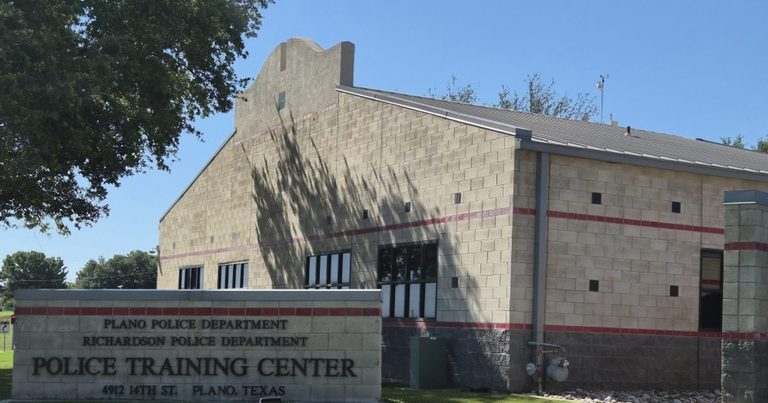
On Nov. 9, Plano City Council approved a $42 million contract for a construction‑manager‑at‑risk to build a new Police Training Center, according to Community Impact. The approval replaces the city’s existing 21,904‑square‑foot training facility on 14th Street with a larger 33,000‑square‑foot complex.
The new center will feature cadet classrooms for instructional courses, a tactical training facility for scenario‑based exercises, an indoor 25‑lane firing range that allows year‑round marksmanship practice, a gym and locker room to support officer fitness, an Emergency Vehicle Operations Course (EVOC) classroom for specialized driving instruction, and a concrete pad to accommodate practical EVOC drills. These elements are listed in city documents cited by Community Impact.
Director of Special Projects Peter Braster explained that the $42 million figure is the maximum budget for the entire project, but the council authorized only $42,000 for the pre‑construction phase. That initial amount will fund design work, plan reviews, and early construction services, laying the groundwork for the larger effort.
The construction‑manager‑at‑risk model selected by the council allows a single firm to assume responsibility for both design and construction, which can streamline the schedule and reduce the risk of cost overruns. Council members voted after reviewing the proposal and its potential to modernize police training facilities while accommodating future growth in the department’s training needs.
City officials say the upgraded facility will enhance training capabilities for Plano police cadets and officers, providing dedicated spaces for tactical, firearms, and vehicle‑operations instruction. Residents are expected to benefit from a state‑of‑the‑art training environment that supports public safety and preparedness.
What’s next: The $42,000 pre‑construction allocation will be released to begin design work later this year. Community Impact reports that the city will issue further updates as the project moves toward full construction after the design phase is completed.
Sources: communityimpact.com