Indiana’s recent overhaul of high‑school graduation requirements is already reshaping classrooms across Indianapolis. Under the new system, students can earn stackable endorsements—called “seals”—that demonstrate readiness for a chosen post‑secondary path, whether that be college, public service, or direct employment.
Student stories illustrate the new options
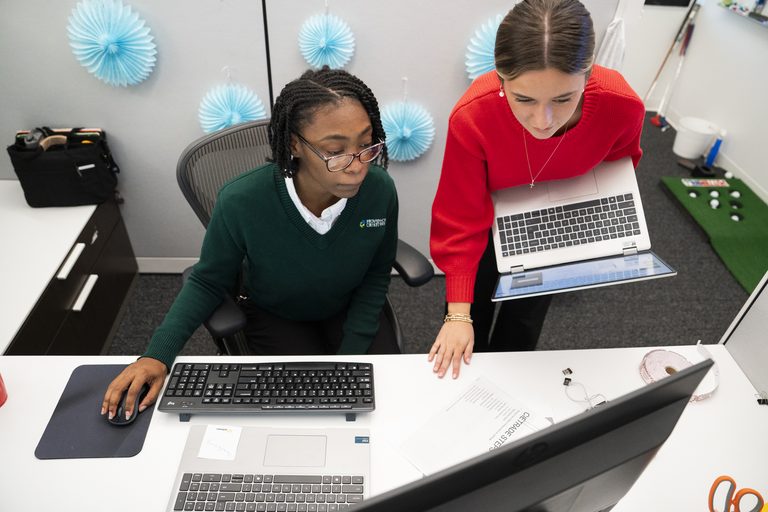
Seventeen‑year‑old Suriah Pinner, a junior at Providence Cristo Rey, spends one weekday each week traveling to Carmel to work six hours in the accounting department of Integrity Fiber. While she ultimately hopes to become a surgeon, the internship lets her explore a professional setting and weigh her options.
Similarly, eighteen‑year‑old Malak Abo Salha of Warren Central senior class has been shadowing an optometrist, gaining hands‑on experience that solidifies her desire to pursue medicine.
How the seals work
Beginning with the class of 2029, every Indiana student may add a seal to their diploma. Depending on the seal, students must complete anywhere from 75 to 650 hours of work experience. The highest‑level “employment honors plus” seal not only requires the most hours but also grants automatic admission to Indiana’s public universities, including Purdue and IU, and eligibility for direct entry into union apprenticeships.
Schools also receive $2,495 for each student who completes the top‑level employment or enrollment seal, providing a financial incentive to expand these programs.
Challenges and solutions
Transportation remains the biggest hurdle. Many districts, like Warren Central, have addressed the issue by securing donated vans and partnering with local nonprofits to fund drivers. Private schools such as Providence Cristo Rey and charter schools like Victory College Prep already operate bus routes to off‑site internships.
“Kids getting to the job is the biggest hurdle, so we eliminated that hurdle to get this working,” said Steve Rogers, director of the Walker Career Center at Warren Central.
State support and future plans
Assistant Secretary of Education Paul Ketcham explained that the new diploma model signals to schools that “it’s OK to think outside the box, be creative, and take chances because we want you to give kids opportunities.” He also described a forthcoming “lighthouse” model, which will highlight schools that have successfully implemented work‑based learning so others can replicate proven practices.
Officials stress that the programs are designed to be flexible. If a student discovers a career isn’t a good fit—such as a fear of needles during a medical internship—they can pivot without penalty, saving time and tuition costs down the road.
Looking ahead
As more Indiana districts adopt the seal system, students will gain early exposure to the soft skills—communication, professionalism, and work ethic—that traditional classrooms struggle to teach. The state hopes this will better prepare Hoosiers for the workforce and higher education, while also strengthening local economies through a better‑trained future labor pool.
Original reporting: Mirror Indy — read the source article.