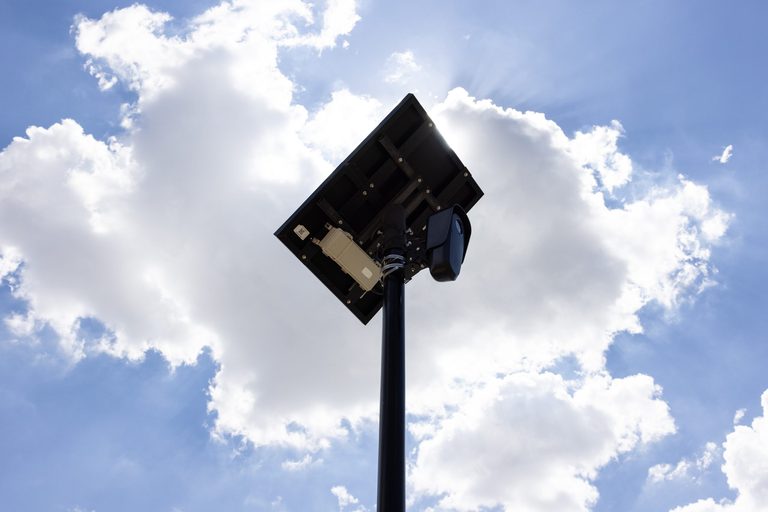
Arlington city officials held two public forums this week to explain the police department’s use of the Flock automated license‑plate reader (ALPR) system and to outline new privacy safeguards. The town‑hall on Monday, hosted by Mayor Jim Ross, and a council work session on Tuesday were intended to reassure residents who worry that continuous vehicle tracking infringes on personal freedoms.
Police Chief Al Jones told attendees that the 134‑camera network has been instrumental in solving serious crimes. He cited the December 2023 murder of 56‑year‑old Tho Tieu, noting that the cameras helped trace the suspect from Arlington through the Dallas‑Fort Worth area to Houston, where the suspect was arrested. Jones also referenced a December 2025 kidnapping case in which the system located a suspect within 36 minutes of the initial report, and other instances where the cameras recovered stolen vehicles and protected children from sex offenders.
According to the materials presented to council members, the system records data for 30 days unless a criminal investigation requires longer retention. In the 30‑day period ending Nov. 11, the database logged 1.5 million unique license plates, generated 1,184 search sessions, and issued 30,371 alerts. The cameras do not employ facial‑recognition technology, do not continuously track vehicles, and do not capture personal identifiers such as names or driver details.
In response to privacy concerns, the department revised its access protocol effective Sept. 1. Access is now limited to police sergeants, five patrol officers per shift, the criminal investigations division, and the Real‑Time Crime Center. Users must enter a case number, specify the crime type, and provide a brief justification for each search. An automated audit within the Flock software flags unusual patterns, such as repeated searches of the same plate by the same user.
Privacy advocates remain skeptical. Phil Mynona, leader of the Texas Privacy Coalition, warned that “access controls matter, but they don’t answer the fundamental question of whether continuously collecting and storing the movements of thousands of people who are not suspected of a crime is necessary or proportionate to the public‑safety benefit.” He emphasized the need to weigh individual investigative successes against the broader implications of mass data collection.
Mayor Ross defended the program, stating that Arlington “doesn’t play games with” law‑enforcement misconduct or data privacy and that the city does not sell the information. He pledged to work with the Texas legislature if new statewide regulations are proposed. Councilmember Jason Shelton echoed the sentiment, urging the public to recognize the long‑standing benefits of technology in policing.
Chief Jones clarified that the Flock system is a brand of ALPR technology, similar to how Coca‑Cola is a brand of soft drink, and that Arlington has employed some form of ALPR since 2010 without major issues. He also confirmed that the cameras are not used for immigration enforcement, which he described as a civil matter.
Arlington officials said they will continue to monitor the system’s use and report back to the community at the next city council meeting scheduled for early December.
Sources: fortworthreport.org