On a weekday morning in Fair Park, the Cotton Bowl sits empty and the museums haven’t yet unlocked their doors. But at the southeast corner of the grounds, the Texas Discovery Gardens is already alive — moths cycling through the butterfly house, school kids pressing their faces to glass cases of walking sticks, a docent holding up a hissing cockroach like it’s the most natural thing in the world.
Most people who’ve lived in Dallas for years couldn’t tell you this place exists. Fair Park pulls its crowds during the State Fair in October, and the rest of the calendar belongs to whoever bothers to look. The Discovery Gardens, spread across seven and a half acres, operates year-round with a kind of quiet confidence that doesn’t depend on foot traffic from the midway.
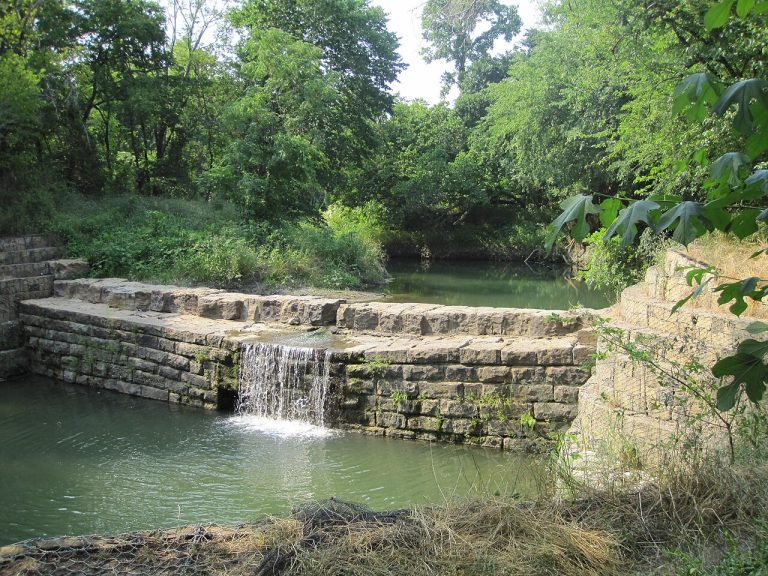
The grounds themselves are a certified organic landscape — no synthetic pesticides, no chemical fertilizers — which means the native plantings actually function as habitat rather than decoration. There are demonstration gardens sectioned by theme: a butterfly waystation, a monarch-certified meadow, a sensory garden thick with herbs and textured foliage. The plant labels are thorough without being clinical, the kind of signage that makes you slow down.
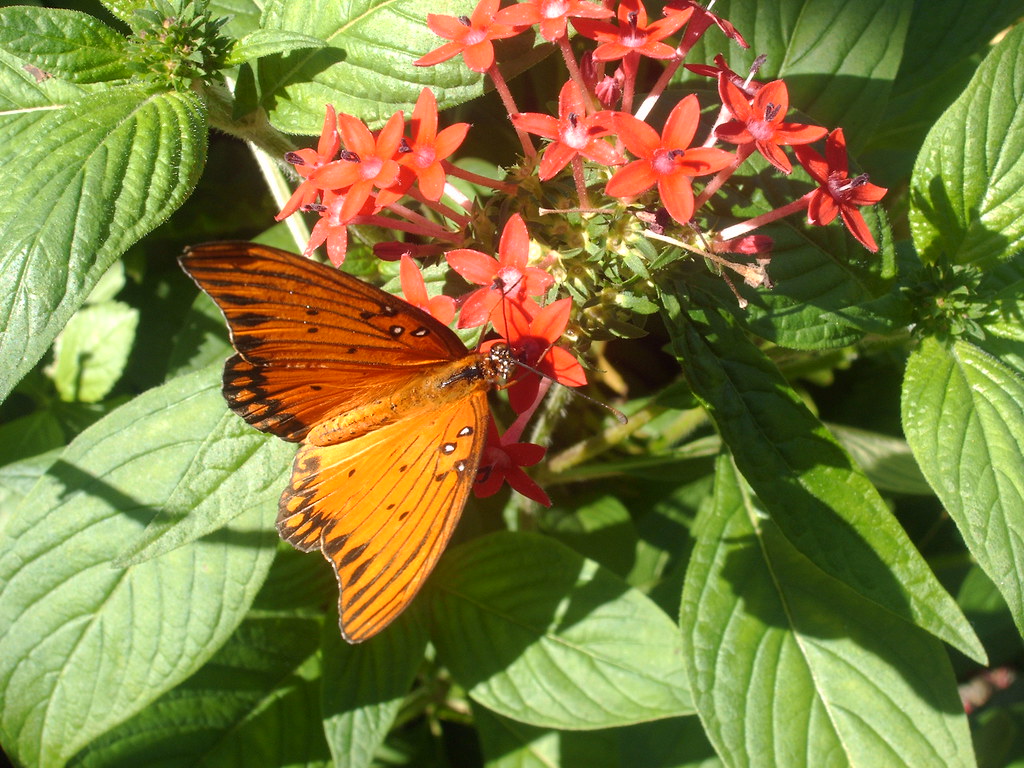
The main draw is the Rosine Smith Sammons Butterfly House and Insectarium, a glass conservatory where tropical butterflies — blue morphos, owl butterflies, paper kites — move through warm, humid air dense with flowering plants. At certain times of year, emerging chrysalises are visible through a small window. It’s a brief stop, maybe twenty minutes, but it tends to shift something in how people move through the rest of the gardens.
The insectarium half runs adjacent to it and tends to surprise visitors who come expecting something tame. Scorpions glow under ultraviolet light. Giant African millipedes occupy a terrarium near the entrance. Live tarantulas are handled during weekend programming. The staff here are actual enthusiasts — they don’t soften the pitch for comfort, they lean into the biology, and kids respond accordingly.
Admission to the full property runs around eight dollars for adults, four for children, and parking at Fair Park is a few dollars more. It’s a reasonable afternoon for under twenty dollars, which puts it in a different league from most of the city’s science and nature attractions. The State Fair Farmers Market operates on the grounds on Saturdays from spring through fall, so a morning visit can run long without trying.
The gardens also host a low-key lecture series and periodic volunteer days for those inclined to show up with gardening gloves. Neither is heavily advertised, which probably explains the crowd sizes.
Fair Park carries a complicated history — the grounds were built for the 1936 Texas Centennial Exposition and reflect the exclusions of that era — and the city continues to wrestle with what the space should mean and who it should serve. The Discovery Gardens occupy a small corner of that larger question, but they do something the rest of Fair Park often struggles to accomplish: they give people a reason to come back when there’s no event on the calendar.
The butterfly house closes periodically for maintenance and seasonal changeover, so checking the schedule before visiting is worth the thirty seconds it takes. But on a clear morning in spring, with the meadow section in bloom and the conservatory warm against the outside chill, it’s one of the more quietly rewarding hours a person can spend in this city.