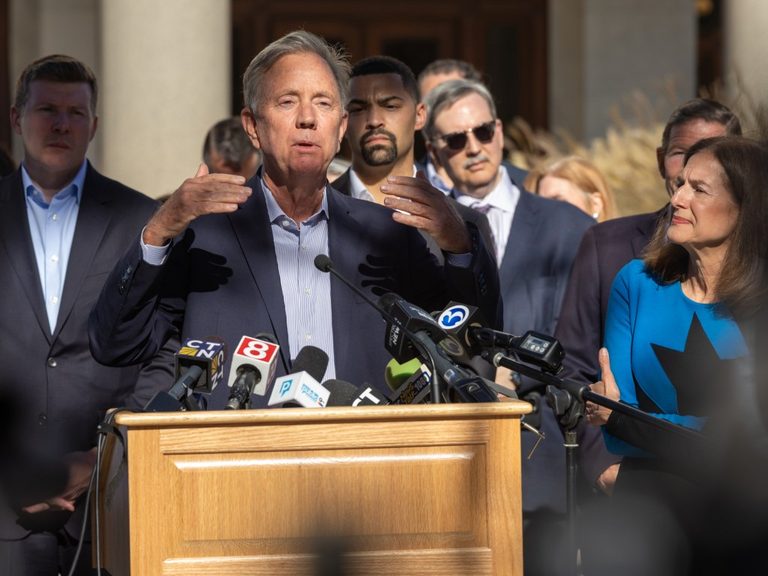
State legislators in Connecticut are renewing calls for a tax‑the‑wealthy measure that would generate revenue for programs aimed at low‑ and middle‑income residents. The proposal comes as the Democratic majority in the General Assembly prepares its agenda for the upcoming session.
Democratic agenda focuses on revenue for relief programs
According to a recent preview of the Democratic agenda, the party plans to combine oversight of the Trump administration with policy initiatives intended to address voter concerns that contributed to their recent electoral gains. One of the centerpiece ideas is a tax‑the‑wealthy bill designed to fund relief for the poor and middle class.
Governor Lamont’s fiscal stance draws criticism
Governor Ned Lamont has repeatedly emphasized that Connecticut needs “more taxpayers, not more taxes.” When asked about the mandate he believes voters delivered, Lamont said the public prefers the status quo and wants the state to manage “these very complicated times” without new tax burdens.
Critics argue that Lamont’s reluctance to raise taxes conflicts with the Democratic push for additional revenue. They point out that for the past eight years the governor has frequently adjusted budget rules, a practice they describe as “bending the budget like a pretzel.” Some observers question whether Lamont will continue this approach in the next fiscal year.
Political dynamics in the state legislature
The Democratic majority, buoyed by a recent “blue wave,” now controls both chambers of the Connecticut General Assembly. Their agenda includes not only the tax‑the‑wealthy proposal but also a broader set of oversight initiatives aimed at the federal administration.
While the party frames the tax plan as a means to support the most vulnerable residents, opponents contend that it could discourage investment and burden the state’s affluent contributors. The debate reflects a larger partisan divide over how best to fund public services without expanding the tax burden.
Local reactions and next steps
Local stakeholders, including business leaders and community groups, have expressed mixed reactions. Some welcome the prospect of additional funding for social programs, while others warn that higher taxes on the wealthy could have unintended economic consequences.
The General Assembly is expected to introduce the tax‑the‑wealthy legislation early in the session. Lawmakers will likely face a series of hearings and negotiations before any bill reaches the governor’s desk for signature.
What residents should watch
Connecticut voters should monitor the progress of the tax proposal, the governor’s budget proposals, and any related oversight hearings. These developments will shape the state’s fiscal policy and could influence future elections.
Original reporting: The Connecticut Mirror — read the source article.