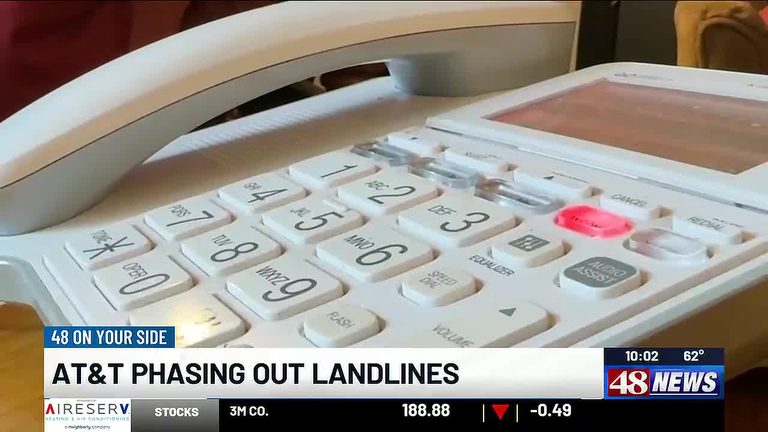
HUNTSVILLE, Ala. – AT&T announced that, with federal clearance, it will start phasing out traditional copper landline service in several North Alabama communities beginning Nov. 15. The rollout is part of a year‑long transition that covers the company’s 18‑state footprint, including the Huntsville‑Decatur corridor.
What the change means for local customers
AT&T says the shift will not affect customers who make all of their calls on a cell phone. The impact is aimed at households that still depend on copper‑based landlines for voice and 911 service. The company assures that no customer will be left without access to emergency calling, and that the new services will be “less expensive” and more reliable.
In a statement, AT&T explained, “Our transition is a year‑long process, and no customer will be left without access to voice or 911 service. We’re working with our customers to upgrade their copper‑based service to newer, less expensive options like AT&T Phone – Advanced.”
Why AT&T is moving away from copper
One of the primary reasons cited by AT&T is the increasing difficulty of maintaining the aging copper network, especially in the face of copper theft. The company noted a spike in theft incidents in Morgan County earlier this year, which has made repairs both costly and disruptive.
Local concerns and personal stories
Mike Sandoval, a Huntsville resident, shared his family’s experience. His mother, Pauline, is legally blind and cannot easily use a cell phone. After repeated problems with her copper line—particularly when rain caused the line to fail—the family switched her service to AT&T fiber optic about a year ago. “She doesn’t drive. That’s her only form of communication,” Sandoval said. “I’ve got a brother lives next door to her who does a great job at checking on her. But there’s a lot of people that are not that fortunate.”
Sandoval expressed worry for other rural Alabamians who lack reliable cell coverage. “They don’t have cell service in those rural areas. They depend on that landline, and they’re gonna be in trouble. They’re really gonna be struggling,” he warned. He urged neighbors to check on anyone they know who might be affected.
How to find out if you’re affected
Nov. 15 marks the earliest date AT&T can begin the transition, but it is not a universal shut‑off date. Customers who still use an AT&T landline are encouraged to contact the company directly to determine whether their specific address is part of the rollout.
AT&T also highlighted that the new AT&T Phone – Advanced service offers a range of features, including high‑definition voice, voicemail‑to‑email, and integration with the company’s broadband packages. The company frames the upgrade as a way to bring modern, cost‑effective communication options to households that have been relying on outdated copper infrastructure.
What this means for the community
The transition reflects a broader national trend of telecom providers moving away from copper in favor of fiber and wireless solutions. For North Alabama, the change could accelerate broadband adoption, especially in areas where fiber is already being deployed. However, it also underscores the need for continued investment in rural connectivity to ensure that residents who lack cell service are not left isolated.
Local leaders and community groups are being asked to monitor the rollout and assist vulnerable neighbors, particularly seniors and those with disabilities, in navigating the new options. As the year‑long process unfolds, AT&T says it will continue to work with customers to minimize disruption and maintain essential emergency services.
Original reporting: WAFF 48 Huntsville (news) — read the source article.