PHOENIX — The Trump administration has unveiled a proposal to tighten eligibility for the Supplemental Nutrition Assistance Program (SNAP). Under the plan, families that receive other forms of public assistance would no longer qualify automatically for SNAP benefits. The change is intended to ensure that taxpayer dollars go only to households that truly need food assistance, a principle echoed by Agriculture Secretary Brooke Rollins.
Local impact in Arizona
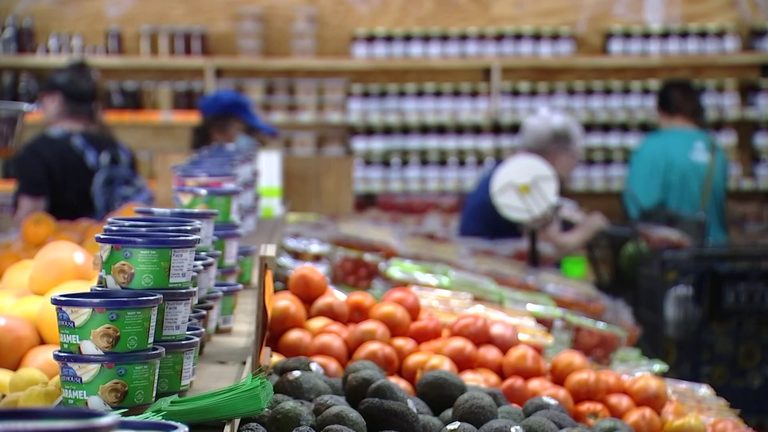
State data shows that more than half of Arizona SNAP participants were already removed from the program after work‑requirement changes took effect in 2025. The new federal proposal could further reduce the safety net for families already struggling with rising food prices and higher living costs. Patricia Martinez, a mother and grandmother from Phoenix, described how SNAP has helped her family stretch limited income to cover utilities and rent.
“It is a great help,” Martinez said. “It helps us get our food, so we can use our money elsewhere for utilities, for the rent.” She added that despite both her son and daughter‑in‑law working, the family is “barely making it” and relies on the program to avoid hunger.
Administration’s rationale
Secretary Rollins defended the proposal, stating, “If you are going to be part of a program that depends on taxpayer dollars, we have to make sure that you and your family truly need it.” The administration argues that a small amount of waste, fraud, and abuse exists in SNAP, and eliminating automatic eligibility for households already receiving aid would tighten oversight while saving an estimated $45 billion over five years.
Expert and advocacy response
Hilary Seligman, a professor of public health at the University of California, San Francisco, warned that reduced SNAP enrollment would likely increase food insecurity. “When SNAP benefits get reduced, or when people lose eligibility for SNAP, there’s less money for food. It means kids are going hungry. It means people are skipping meals,” she said.
Critics of the proposal include advocacy groups focused on child nutrition and anti‑poverty organizations. They argue that the change could jeopardize free school meals for nearly 2 million children nationwide, a concern echoed by Martinez, who noted how important school breakfasts are for her grandchildren.
Policy context and next steps
The proposal follows a series of Republican‑led work‑requirement reforms enacted in July 2025 that have already led to significant cuts in SNAP enrollment across the country. Arizona experienced the steepest drop, with more than half of its participants losing benefits year‑over‑year.
The federal rule must undergo a 30‑day public comment period before it can be finalized. If adopted, the changes would not take effect until 2029, giving states time to adjust their administration of the program. The Arizona Department of Economic Security, which runs SNAP in the state, said it is reviewing the policy but declined to comment on specific impacts for Arizona residents.
What Arizona families can do
Residents who rely on SNAP or are concerned about the proposal are encouraged to submit comments during the federal comment window. Community organizations and local churches are also mobilizing to provide information and assistance to families navigating the potential changes.
While the administration emphasizes fiscal responsibility and the need to protect taxpayer funds, many Arizonans worry that the reform could exacerbate food insecurity for vulnerable households already feeling the strain of rising costs.
Original reporting: azfamily KTVK/KPHO Phoenix (news) — read the source article.