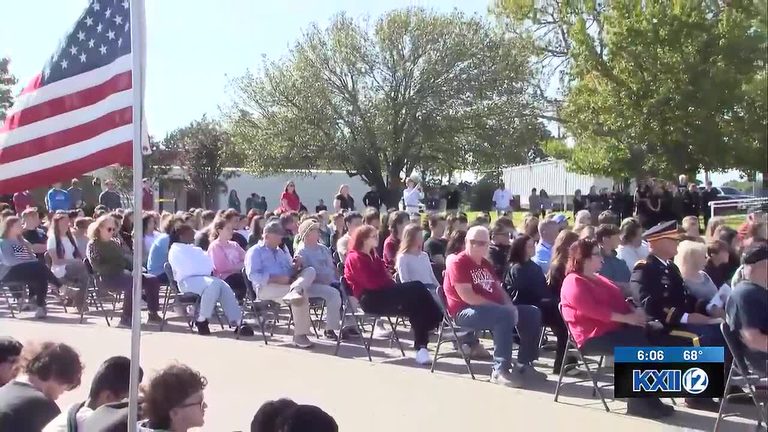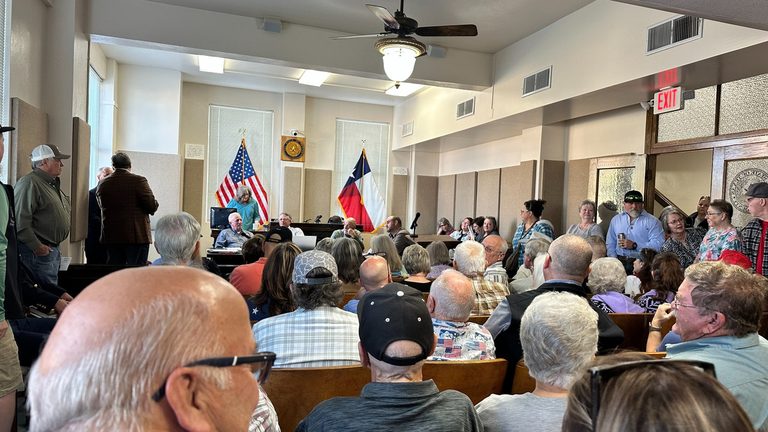
On Tuesday, Camp County commissioners gathered in the Pittsburg courthouse and voted unanimously to adopt a resolution that “denounces Sharia Law in all forms and opposes any implementation of Sharia Law” locally, statewide, and nationally. The packed room erupted in applause when County Judge A.J. Mason (R‑Camp County) announced the vote.
Resolution details and local support
Mason placed the resolution on the court’s agenda and Precinct 4 Commissioner Steve Lindley (R‑Camp County) seconded the motion. The five‑page document references equal rights, due process, and affirms the supremacy of the U.S. Constitution. All four commissioners signed the resolution, underscoring broad, bipartisan support within the county board.
Regional momentum
Van Zandt County adopted nearly identical language in an October 7 proclamation, showing a growing regional consensus against the application of Islamic law in civil matters. The Republican Party of Texas has made “Don’t Sharia Our Texas” a legislative priority, urging expansion of a 2017 law that limits the enforcement of foreign judgments and arbitration awards.
State‑wide context and recent court actions
Texas courts have recently grappled with the legal effect of divorces obtained under Islamic law. In September, the Texas Supreme Court refused to recognize a Pakistani divorce in Azhar v. Choudhri, citing inadequate notice to the spouse. Earlier, a Dallas appeals court upheld a Texas divorce decree in in re Marriage of Sabir and Javed, finding no evidence the wife received proper notice.
Attorney General’s inquiry
Attorney General Ken Paxton (R‑Texas) has demanded records from the Dallas‑based Islamic Tribunal to determine whether the organization misrepresented its decisions as having state court approval. The tribunal responded that its services are voluntary, non‑binding religious mediation and arbitration, and that any matters requiring legal enforcement are referred to Texas courts.
Public commentary and criticism
Filmmaker Chris Burgard’s documentary Remember the Alamo: Don’t Sharia My Texas premiered in Dallas, highlighting concerns about Sharia’s impact on women’s rights abroad. Critics, including Imam Karim AbuZaid, have suggested that Sharia could influence public policy, but their statements have been met with strong objections from local leaders who emphasize constitutional protections and religious liberty.
What this means for Camp County residents
The resolution sends a clear message that Camp County will not entertain any attempt to apply foreign religious law in its courts or public institutions. By reaffirming the Constitution’s supremacy, the commissioners aim to protect the rights of all citizens, including families and faith communities, while preserving the county’s commitment to the rule of law.
Original reporting: WBAP News/Talk (Dallas-Fort Worth) — read the source article.