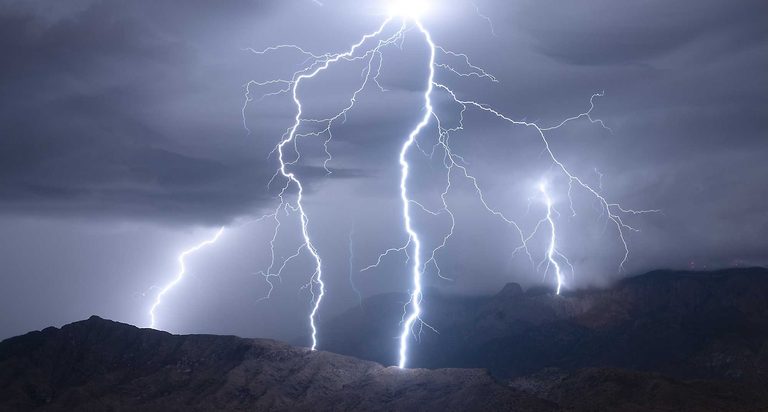
When a lightning strike hit hunter Wyatt Parker deep in the Pecos Wilderness, two AMR responders stepped up to a daunting rescue that lasted nine hours from dispatch to hospital transport. Paramedic Maison Hooten and EMT Forrest Tracy began their mission at the Iron Gate trailhead, packing a Stokes basket, a specialized rescue stretcher, and all necessary medical supplies.
Challenging terrain and night‑time conditions
The pair faced a two‑and‑a‑half‑hour uphill climb across rugged, dark terrain before reaching Parker’s location. Upon arrival they found the 45‑year‑old man awake and alert but unable to move because of injuries sustained from the strike. Lightning can cause serious internal damage, so the responders knew immediate, thorough assessment was critical.
Life‑saving actions on the mountain
Parker’s hunting companion had already performed CPR, buying valuable minutes before Hooten and Tracy reached the scene. The lightning left visible scorch marks on his clothing, confirming the severity of the incident. The responders quickly instituted cardiac monitoring with an EKG, managed his airway, and provided supplemental oxygen to stabilize his condition.
Evacuation to definitive care
After stabilizing Parker, the team lifted him into the Stokes basket and began the arduous trek back down the same trail. The descent required careful navigation of the same steep, uneven ground they had climbed, all while maintaining continuous medical oversight. Once they reached the trailhead, Parker was transferred to an ambulance for transport to the nearest hospital, where further treatment could be administered.
Teamwork and dedication
Officials reported that the entire operation—from the initial emergency call to the hand‑off to ambulance staff—took nine hours. The successful outcome highlights the resilience, teamwork, and commitment of rural emergency responders who often operate far from conventional resources. Their quick thinking and coordinated effort bridged the gap between a life‑threatening emergency and definitive medical care.
Community impact
Rescues like this underscore the importance of well‑trained, locally based emergency services in remote areas of New Mexico. Residents and outdoor enthusiasts rely on these professionals to ensure safety in the state’s vast wilderness. The incident also serves as a reminder of the inherent risks of backcountry activities and the value of preparedness, including carrying communication devices and knowing how to respond to severe weather.
Original reporting: KOAT Albuquerque — read the source article.