The Wisconsin Supreme Court said Wednesday it will take up a lawsuit challenging Act 10, the 2011 statute that dramatically limited collective bargaining rights for teachers and many other public workers. The filing was brought by the Abbotsford Education Association, representing educators in the western‑most district of the state.
Case background and court composition
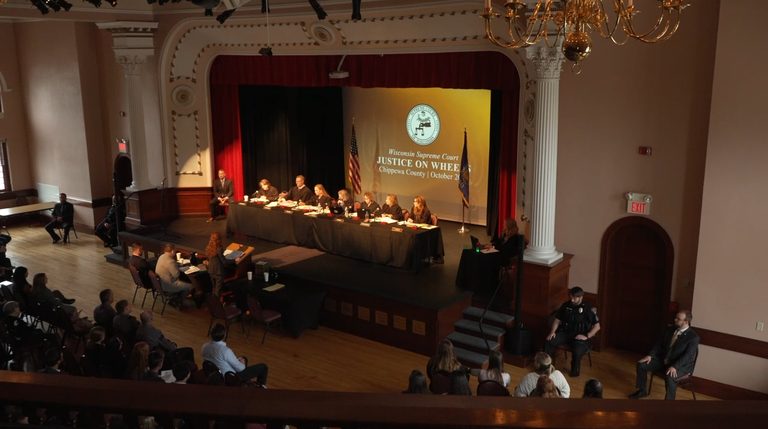
In a brief order, the court set a briefing schedule and noted that the case will be heard by a five‑justice panel. The panel voted 5‑1 to hear the matter, with Justice Annette Kingsland Ziegler dissenting. Justice Brian K. Hagedorn recused himself and did not participate.
What Act 10 did
Act 10, signed into law in 2011 by former Governor Scott Walker, effectively ended collective bargaining for teachers and most other public employees. Walker argued the measure would curb government spending and give local municipalities greater control over personnel costs. The law sparked massive protests at the State Capitol, and Democratic lawmakers briefly left the state in an effort to delay its passage.
Why the challenge matters
The Abbotsford Education Association contends that the law violates constitutional protections for public‑sector employees, arguing that it improperly restricts their right to organize and bargain collectively. The association says the statute has harmed teachers’ ability to negotiate wages, benefits, and working conditions, ultimately affecting classroom quality for Wisconsin families.
Potential impact on Wisconsin’s public‑sector workforce
If the court were to find Act 10 unconstitutional, the decision could restore collective bargaining rights for thousands of teachers, nurses, and other state employees. Such a reversal would represent a major shift in state labor policy and could influence ongoing debates in other states about public‑employee unions.
Political context
The case arrives at a time when the Trump administration continues to champion policies that promote fiscal responsibility and local control, echoing the original intent of Act 10 to reduce government spending. Supporters of the law argue it has helped keep taxes low and given municipalities flexibility in budgeting. Critics maintain that it undermines workers’ rights and weakens public‑sector unions.
Next steps
The Supreme Court will hear oral arguments later this year, after which a written opinion is expected. Both sides have filed briefs outlining their legal arguments, and the court’s decision will be closely watched by educators, labor groups, and state officials alike.
For Wisconsin families and community members, the outcome could shape the future of public‑employee compensation, school funding, and the broader conversation about the role of unions in the state’s economy.
Original reporting: NBC15 WMTV (Gray) – local — read the source article.