In a move that balances ecological stewardship with the livelihoods of coastal fishermen, the Atlantic States Marine Fisheries Commission approved a 17% reduction in the allowable menhaden harvest along the Atlantic coast over the next two years. The decision, made at a November 10 meeting in Newport, Rhode Island, reflects a compromise between conservationists urging deeper cuts and commercial fishers seeking to protect their margins.
Details of the new catch limits
The commission set the total allowable catch (TAC) at 170,000 metric tons for 2027 and 155,000 metric tons for 2028, down from the current ceiling of 186,840 metric tons. This represents a 9% cut each year, totaling a 17% reduction across the two‑year period.
Why menhaden matter
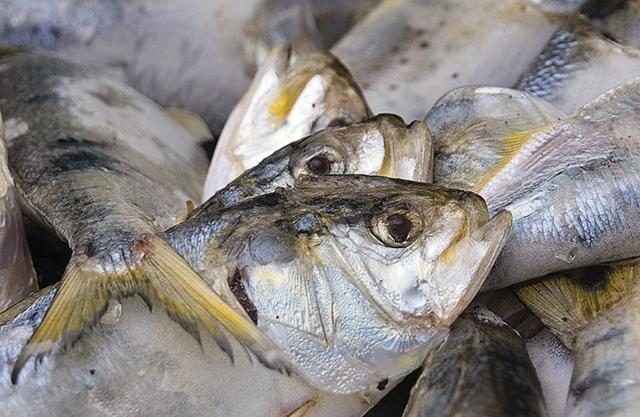
Menhaden are fatty, filter‑feeding fish that serve as a critical food source for a range of marine wildlife, including the prized Atlantic striped bass and ospreys that nest along the coast. Declines in these predators have been linked by scientists to reduced menhaden availability, especially in the Chesapeake Bay where the fish also support a lucrative bait industry.
Economic stakes for coastal fisheries
Commercial operators from Maine to the Carolinas rely on menhaden for lobster and crab bait, as well as for processing into fish oil and fish meal. Companies such as Omega Protein of Reedville, Virginia, and its partner Ocean Harvesters harvest tens of thousands of tons annually. While the Chesapeake Bay fishery accounts for the bulk of the catch, the Atlantic‑wide reduction could affect profit margins for New England lobstermen and Virginia’s menhaden fleet.
Scientific backdrop
Commission scientists concluded that the coastal menhaden population is not overfished, but a 2025 reassessment revealed that earlier models had overestimated abundance by roughly one‑third. Earlier this year the commission cut the 2026 harvest by 20%, less than the experts’ recommendation, and projected that a further 39% reduction would be needed to give a 50% chance of meeting striped bass recovery goals.
Stakeholder reactions
Virginia officials, initially opposed to any cut, ultimately supported the compromise, while Maryland continued to push for a larger reduction. The two federal agencies with voting rights—National Oceanic and Atmospheric Administration and the U.S. Fish and Wildlife Service—consistently argued against deep cuts.
Commercial fishing interests warned that any reduction could squeeze already tight margins, potentially forcing workers out of the industry. Conservation groups, however, stressed that precautionary action is necessary to protect the ecosystem and the long‑term viability of both the bait fishery and the prized sport fishery.
Next steps
The commission will reconvene on November 11 to consider a proposal that could cut the Chesapeake Bay menhaden reduction fishery by up to 50% and possibly spread the harvest more evenly throughout the season. The Bay’s harvest cap, in place since 2006, currently sits at 51,000 metric tons per year.
Funding has been allocated for research to determine the precise impact of menhaden harvests on osprey nesting success and striped bass recovery, but results are not expected until 2028 at the earliest. In the meantime, the commission’s decision reflects an effort to find a “sweet spot” that protects wildlife while preserving jobs for coastal fishing communities.
Original reporting: Baltimore Fishbowl — read the source article.