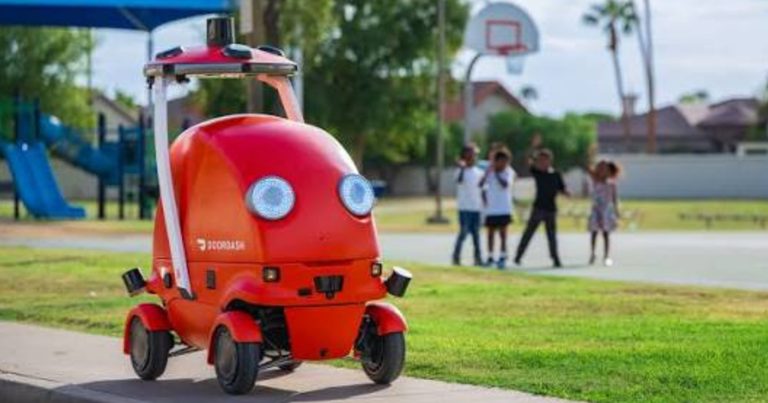
Salt Lake City is set to become the first U.S. market where DoorDash will trial its autonomous delivery robot, Dot, under adverse weather conditions. The pilot aims to prove that the robot can safely navigate rain, snow and other harsh elements, extending the service beyond the clear‑day deliveries it currently offers.
Why the test matters for local residents
For Utah families and busy professionals, a reliable, zero‑emission delivery option could mean faster meals and groceries when the weather would otherwise delay traditional drivers. DoorDash’s VP of Autonomy, Ashu Rege, said the company is “building the safety case and operational knowledge needed to expand this technology responsibly not just to more cities, but to more days of the year when people need it most.”
How Dot works
Dot is a compact, six‑hour‑operating robot equipped with radar, cameras and a suite of sensors that allow it to detect obstacles, stay on sidewalks and avoid traffic. The robot produces zero emissions, aligning with broader community goals for cleaner air and reduced traffic congestion. While Dot has already delivered food in ideal weather, this Salt Lake City trial will push the technology into rain and snow, testing its ability to maintain stability, traction and navigation accuracy.
Local partnership and oversight
The city’s public‑works and transportation departments have been consulted to ensure the pilot complies with local ordinances and pedestrian safety standards. Although no specific start date has been announced, DoorDash officials expect the program to begin in the coming months, with a limited fleet of robots operating on selected routes in residential neighborhoods and commercial districts.
Potential economic impact
If successful, the pilot could create new jobs in robot maintenance, fleet management and local logistics coordination. It also offers a showcase for Utah’s growing tech ecosystem, highlighting the state’s capacity to attract innovative companies. Local businesses may benefit from faster, cost‑effective deliveries, especially during winter storms that traditionally slow down conventional courier services.
Community response
Early reactions from residents are mixed but hopeful. Some neighborhood groups appreciate the promise of reduced vehicle traffic and cleaner streets, while others are watching closely to ensure pedestrian safety. DoorDash has pledged to keep the community informed, sharing data on robot performance, incident reports and any adjustments made during the test phase.
Next steps
DoorDash plans to collect detailed operational data throughout the pilot, including robot uptime, delivery success rates and weather‑related incident logs. The findings will inform a broader rollout strategy, potentially extending the service to other Utah cities such as Provo and Ogden, and eventually to additional states where weather can hinder traditional delivery methods.
For now, Salt Lake City residents can look forward to a glimpse of the future of local delivery – one that promises reliability, sustainability and a new level of convenience, even when the forecast calls for snow.
Original reporting: FOX 13 KSTU (Salt Lake County) — read the source article.