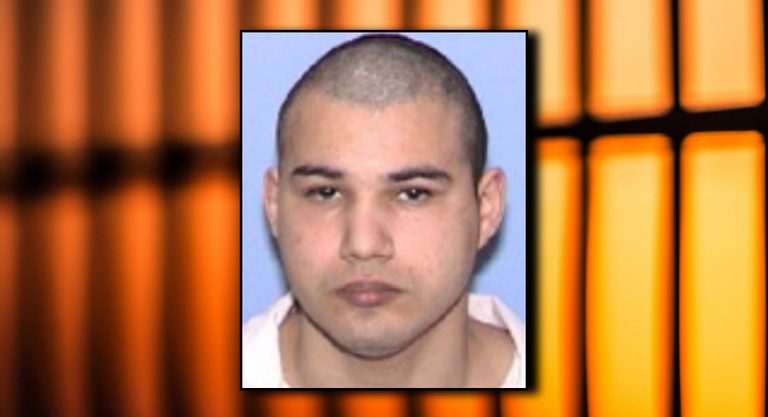
CAMERON COUNTY, Texas – On Thursday, the state will move forward with a lethal injection for John Allen Rubio, the man convicted of the 2003 murders of his three children. The execution follows a lengthy series of trials, appeals and a life sentence for his common‑law wife, Angela Camacho.
Background of the case
In March 2003, police were called to a modest apartment near the Mexican border after Rubio’s brother discovered three plastic bags containing the remains of the children. Julissa Quesada, age three, her brother John E. Rubio, 14 months old, and infant Mary Jane, two months old, had been killed and decapitated.
Rubio later told investigators he was plagued by paranoia, claiming he felt surrounded by witchcraft and demonic forces. He said his daughter Julissa began speaking as if she were his deceased grandmother, a claim he linked to a nightmare he experienced days before the killings.
Legal proceedings
The first jury in 2003 sentenced Rubio to death. An appellate court overturned that conviction in 2007 due to legal errors, prompting a retrial. In 2010, a second jury again found him guilty of capital murder and imposed the death penalty.
Camacho, the mother of the children, avoided the death chamber by pleading guilty in 2005 to three counts of capital murder. She received a life sentence that will keep her incarcerated until at least 2043.
Official response
Cameron County District Attorney Luis V. Saenz rejected any supernatural defense, calling the crime “the most horrific” he had ever encountered. Saenz emphasized that the execution reflects the rule of law and the need for justice for the innocent victims.
Rubio’s final statement
In a recent jailhouse interview with KRGV, Rubio said he is “ready to be with my children; I’m ready to be with God.” He added, “I know they know the truth; I adored my children.” The statement underscores his acceptance of the upcoming execution.
Community reaction
Local residents and faith‑based groups have expressed a mixture of sorrow for the lost children and relief that the legal process has reached its conclusion. Many see the execution as a reaffirmation of the state’s commitment to protect families and uphold justice.
While the death penalty remains a contentious issue nationally, Texas officials argue that it serves as a necessary deterrent and a means of delivering closure to victims’ families.
What’s next
The execution is scheduled for later this week at the Texas State Penitentiary. The state will follow its standard protocols for lethal injection, and the event will be closely monitored by both legal observers and advocacy groups.
As the community reflects on this tragic chapter, the focus remains on remembering the three innocent children and ensuring that such a crime never happens again.
Original reporting: Tampa Free Press — read the source article.