Richardson city officials unveiled a comprehensive road‑safety strategy on November 9, aiming to cut traffic‑related deaths and serious injuries in half by 2050. The “Safer Streets Richardson” plan, approved unanimously by City Council, targets the city’s most dangerous road segments and intersections identified through police crash reports from 2020‑2024.
Data‑driven focus on high‑injury locations
Assistant Director of Transportation and Mobility Daniel Herrig explained that staff created a “high injury network” – a list of ten priority road segments and ten intersections where fatal and serious‑injury crashes are most common. The analysis showed that while most crashes involve motor vehicles, bicycles, motorcycles and pedestrians suffer a disproportionate share of severe outcomes.
Countermeasure toolbox
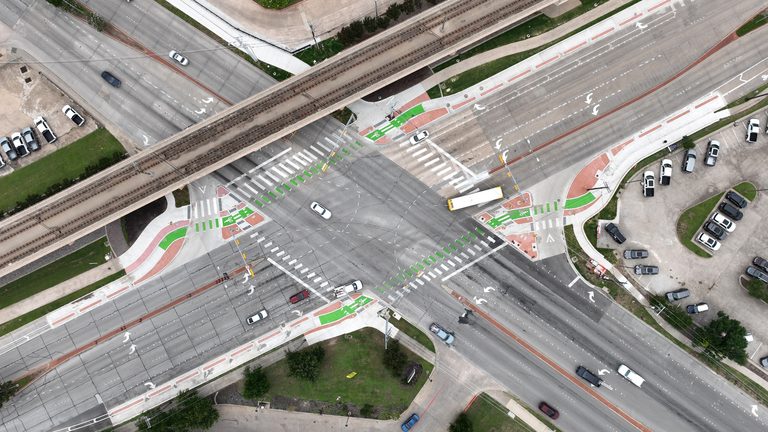
For each high‑risk site, staff developed a “countermeasure toolbox” of safety upgrades. Options range from low‑cost measures such as improved striping to larger projects like speed‑feedback signs, flashing beacons, new sidewalks and dedicated bike lanes. Herrig said the city will select the appropriate tools based on each location’s specific safety challenges.
Funding sources
Richardson will pursue the U.S. Department of Transportation’s Safe Streets and Roads for All grant to finance many of the improvements. Additional funding will come from the city’s existing budget, the recently approved 2026 municipal bond program ($223.4 million), and other grant opportunities, City Manager Don Magner noted.
Impact on cyclists and pedestrians
Mark Witt, board member of the Richardson Bicycle Coalition, emphasized that expanding bicycle infrastructure requires drivers to adjust to sharing the road, which can create safety hazards during the transition. Coalition board member Catherine Nied added that stronger sidewalks and bike lanes benefit all road users and reinforce a culture of safety. “You can’t blame a cyclist for being in the bike lane,” Nied said, noting the importance of clear expectations for motorists.
Long‑term vision
Herrig described Safer Streets as more than a series of isolated projects; it is intended to become part of Richardson’s organizational DNA. The plan will be integrated into development review, engineering and construction processes, and capital‑project design criteria. Magner said the city will review the program annually and refresh it every five years, treating it as a marathon rather than a sprint.
Next steps
With the bond program already funding many of the identified locations, the city expects to begin implementing countermeasures within the next six years. Speed‑feedback signs, for example, are expected to encourage drivers to reduce speeds, directly addressing one of the key risk factors identified in the analysis.
The Safer Streets initiative reflects Richardson’s commitment to protecting its most vulnerable road users while improving overall quality of life for residents. By leveraging data, targeted investments and community input, the city aims to create a safer, more accessible transportation network for all.
Original reporting: Community Impact — Richardson — read the source article.