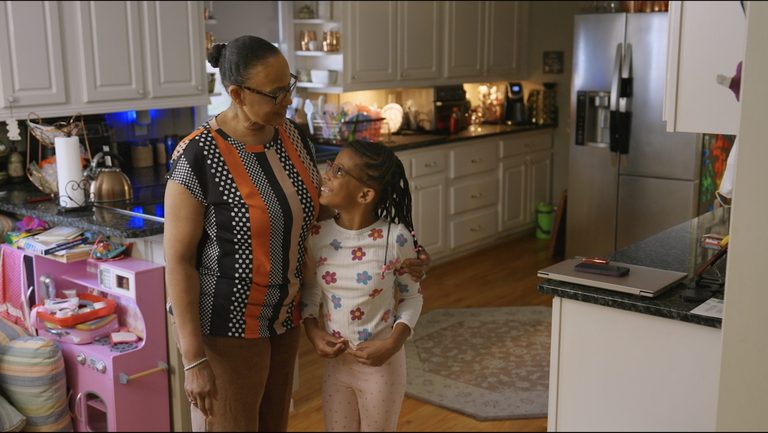
When Marla and Vernon discovered that their Westside Atlanta home was poorly insulated, the monthly electric bill of $849 eclipsed their mortgage and left the family uncomfortable year‑round. The situation grew urgent after their daughter was diagnosed with cancer, prompting Marla to turn to prayer for a solution.
Community‑driven assistance arrives
Answering that prayer, the nonprofit Groundswell selected the family for its Westside Resilience Corridor Project, a local initiative that provides critical repairs and energy‑efficient upgrades to vulnerable households. The project receives partial funding from the Arthur M. Blank Family Foundation, underscoring the role of private philanthropy in strengthening neighborhoods.
Groundswell’s contractors arrived to insulate the home from floor to ceiling, seal gaps that allowed uncontrolled air flow, and install a new, high‑efficiency air‑conditioning unit. The upgrades dramatically reduced the family’s energy consumption, turning a $849 monthly bill into a manageable expense and ensuring a comfortable indoor environment for the children.
Impact on health and family life
For Marla, the transformation is more than a financial relief; it is a safeguard for her daughter’s health. “It’s a breath of fresh air,” she said, noting that the improved indoor climate reduces exposure to temperature extremes that can exacerbate medical conditions.
The project also illustrates how faith‑based communities can partner with nonprofit organizations to address practical needs. Groundswell’s outreach began at Marla’s church, highlighting the synergy between local congregations and service‑oriented groups in fostering resilient, healthy neighborhoods.
Broader implications for the Westside
Westside Atlanta has long faced challenges related to aging housing stock and energy inefficiency. By targeting homes like Marla’s, Groundswell not only lowers utility costs for individual families but also contributes to broader environmental goals, reducing overall energy demand in the area.
Local leaders have praised the initiative as a model for public‑private collaboration. The project aligns with the city’s objectives to improve housing quality, support families, and promote sustainable development without imposing additional tax burdens.
Looking ahead
Groundswell plans to expand the Resilience Corridor Project to additional Westside neighborhoods, seeking further support from foundations, churches, and community volunteers. The organization encourages residents to contact their local churches or the Groundswell office to learn about eligibility and upcoming retrofit opportunities.
For families struggling with high utility bills and unsafe living conditions, the combination of prayer, community action, and targeted investment offers a hopeful path forward—one that safeguards health, preserves family finances, and strengthens the fabric of the Westside community.
Original reporting: SaportaReport — read the source article.