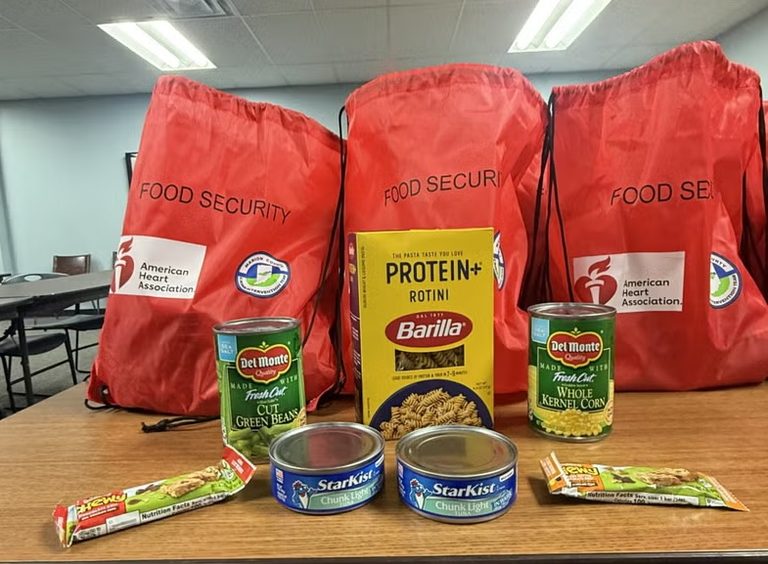
More than 163,000 residents of Marion County are currently grappling with food insecurity. In response, the Indianapolis Metropolitan Police Department (IMPD) is expanding its community‑help mission. Starting this month, the department’s Mobile Crisis Assistance Team (MCAT) will carry emergency nutrition bags on every call that involves a crisis situation.
How the program works
When officers arrive on a crisis call, they will ask two brief screening questions to determine whether the individual or household is experiencing hunger. If the response indicates need, the officer will provide a bag supplied by the American Heart Association (AHA). Each bag contains enough healthy food for at least one meal, printed nutrition‑education materials, and a list of local food pantries and assistance programs.
Partnership with the American Heart Association
“Good nutrition and access to healthy food is the foundation of good health,” said Lynne Griffin, vice president of community impact for the AHA in Indiana. “Working with IMPD and their MCAT team allows us to get food and other resources to help people get on the path to better health.” The AHA’s involvement aligns with its Life’s Essential 8 initiative, which lists healthy eating as a core factor for preventing heart attacks and strokes.
Police officers on the front lines of hunger relief
IMPD Sgt. Justin Toussing explained the practical impact of the program: “As police officers, we’re often meeting people in some of their worst moments. Food insecurity is a real issue that affects all walks of life, and having the American Heart Association partner with us to provide food bags and resources allows officers to provide immediate help to those in need and make a positive impact beyond the call we’re responding to.” The MCAT team already handles more than 2,500 calls each year, pairing officers with licensed mental‑health clinicians for live crisis interventions and follow‑up visits.
Local reach and future plans
The emergency nutrition bags will be available in all six IMPD districts, ensuring that officers can respond quickly regardless of where a crisis occurs. By integrating food assistance into existing crisis response, the department hopes to address both immediate safety concerns and the longer‑term health challenges that often accompany poverty and stress.
Why this matters for Indianapolis families
Food insecurity is not just a statistic; it directly affects the health, stability, and future of families across Indianapolis. By delivering nutritious meals at the moment of crisis, IMPD and the AHA are taking a proactive step to reduce the risk of heart disease, hypertension, and other health problems linked to poor diet. The program also connects individuals with community resources, helping them navigate the broader safety‑net of food pantries and assistance programs.
Community leaders and faith‑based organizations have praised the initiative, noting that it reflects a compassionate, faith‑guided approach to public safety that honors the dignity of every individual. As the program rolls out, officials will monitor its impact and explore additional ways to integrate health‑focused services into police work.
For more information about the emergency nutrition bags or to learn how to volunteer with the American Heart Association’s local efforts, residents can visit the AHA Indiana website or contact IMPD’s community outreach office.
Original reporting: Mirror Indy — read the source article.