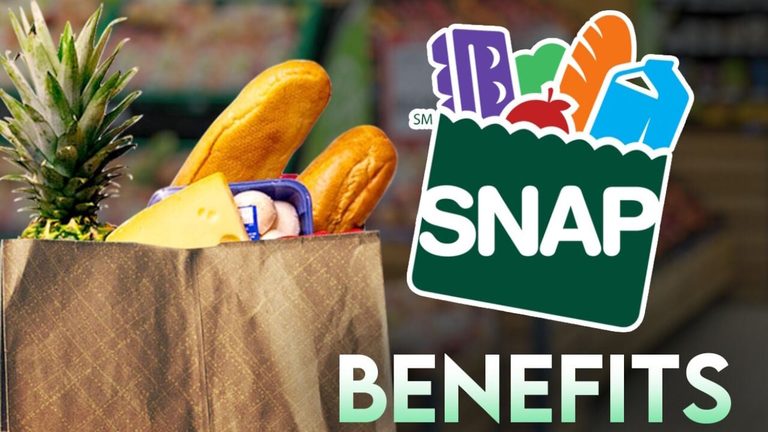
The U.S. Department of Agriculture has released a draft rule that would tighten the way Nevada households qualify for the Supplemental Nutrition Assistance Program (SNAP). Under the current system, families that receive certain Temporary Assistance for Needy Families (TANF) services – such as childcare assistance or job‑training subsidies – can automatically qualify for SNAP. The proposal would limit that automatic eligibility to families receiving direct cash assistance or other core TANF supports, meaning many who rely on ancillary services would lose their SNAP eligibility.
Local impact on families and businesses
For Nevada families, the change could mean a loss of vital food assistance at a time when grocery prices remain high. SNAP benefits not only help households purchase groceries, they also inject money into the local economy, supporting grocery workers, suppliers, and the small‑business owners who keep shelves stocked.
“This proposed rule will have the exact opposite effect that the administration seeks to accomplish,” said Bryan Wachter, president of the Retail Association of Nevada. “It will create more government as families and businesses try to navigate an already complex system. The negative effects go far beyond those who will be removed from the program.”
Retail Association of Nevada’s response
The association released a statement on Tuesday, Nov. 10, expressing concern that the rule could create additional hurdles for families seeking food assistance and could reduce foot traffic for grocery stores statewide. Wachter warned that fewer SNAP recipients would translate into less revenue for retailers, potentially leading to staffing cuts or even store closures in some communities.
“SNAP benefits help families buy groceries, but that money also supports local businesses, grocery workers and the companies that supply stores with food,” the statement added. “We plan to work with grocery retailers, community partners, and federal lawmakers to better understand how the proposal could affect Nevada families and businesses.”
USDA’s rationale
The USDA argues that the rule change is intended to ensure SNAP benefits go only to households that meet federal eligibility requirements. By tightening the link between TANF services and SNAP eligibility, the agency says it can better target resources to those who truly need them, while preserving program integrity.
Public comment period
The proposal is not final. The USDA is accepting public comments through Dec. 10, 2026, via Regulations.gov. Stakeholders—including families, advocacy groups, and business representatives—are encouraged to submit their perspectives.
Local officials and community leaders have yet to weigh in publicly, but the conversation is expected to intensify as the comment deadline approaches. Nevada’s congressional delegation, which includes members supportive of the Trump administration’s focus on reducing federal overreach, may also weigh in on the rule’s potential impact on constituents.
What Nevada families can do
Families who rely on SNAP and TANF services are urged to monitor the rule’s progress and consider submitting comments that reflect their experiences. Community organizations that assist low‑income households can also help amplify these voices, ensuring that policymakers hear directly from those most affected.
In the meantime, grocery retailers are preparing contingency plans, from adjusting inventory orders to exploring outreach programs that could help maintain sales volumes despite potential benefit reductions.
Looking ahead
The SNAP rule change illustrates how federal policy decisions can ripple through local economies, affecting both vulnerable households and the businesses that serve them. As Nevada watches the proposal’s development, the state’s retailers and families alike are preparing to advocate for a solution that protects food security and sustains local commerce.
Original reporting: 2news.com — read the source article.