Indiana Landmarks has added a new digital resource that will help preserve the state’s Black heritage. Over 100 oral‑history interviews, captured during recent “history harvest” events, are now posted on the organization’s Black Heritage Preservation Program website and its YouTube channel.
Local voices recorded across the state
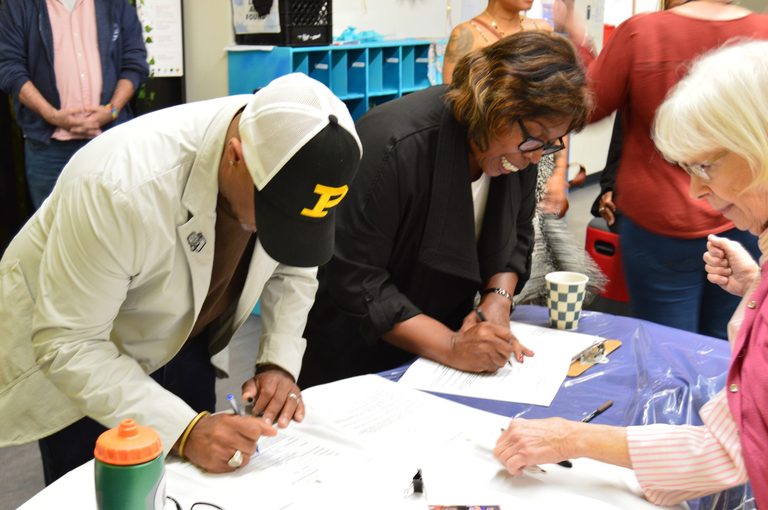
The recordings feature personal stories from Black Hoosiers living in Indianapolis, Clarksville, Fort Wayne, Lafayette, Princeton, Vincennes and Washington. Students from the Indiana University Center for Rural Engagement conducted the interviews, sitting down with residents to document family lineages, community traditions and the everyday experiences that shape Indiana’s cultural fabric.
Why the archive matters
“Oral histories are the first step toward fulfilling our mission to uncover, document, preserve and restore Black heritage sites and history,” said Eunice Trotter, director of the Black Heritage Preservation Program, in a press release. She added that making these narratives publicly accessible ensures that the voices, memories and contributions of Black Hoosiers remain part of Indiana’s shared story.
The digital archive will also serve as a research tool for historians, educators and preservationists. Indiana Landmarks plans to use the material to support future historical marker projects and nominations to the National Register of Historic Places, helping to recognize sites of significance that might otherwise be overlooked.
How the project was carried out
During the “history harvest” sessions, volunteers and students traveled to neighborhoods and community centers, setting up recording equipment in homes, churches and local gathering places. Participants were invited to share recollections of migration, work, education, civil‑rights activism and everyday life in Indiana. The project reflects a collaborative effort between a historic preservation nonprofit, a university research center and the local communities themselves.
Accessing the stories
All interviews are freely available online. Visitors can stream the recordings on Indiana Landmarks’ website or watch them on the organization’s YouTube page, where each video is accompanied by a brief description of the interviewee’s background and the topics discussed.
Mirror Indy, the nonprofit newsroom that reported on the launch, noted that the archive adds to a growing body of digital resources that make local history more accessible to the public. The outlet encourages readers to explore the collection and consider how these personal narratives enrich Indiana’s broader historical record.
Supporting preservation efforts
Indiana Landmarks relies on grants, donations from individuals, foundations and partner organizations to fund projects like the Black Heritage Preservation Program. The organization invites community members to contribute financially or volunteer their time to future history‑gathering initiatives.
By preserving these oral histories, Indiana Landmarks hopes to inspire a new generation of Hoosiers to learn from the past, celebrate cultural diversity, and protect historic sites that reflect the state’s full story.
Original reporting: Mirror Indy — read the source article.