In a decisive move that reinforces the Trump administration’s commitment to defending the President’s reputation, U.S. District Judge Jeffrey Kuntz denied the British Broadcasting Corporation’s (BBC) motion to dismiss the defamation lawsuit filed by President Donald J. Trump. The ruling, issued on Tuesday, means the case will proceed to the next procedural stage.
Judge Kuntz’s Decision
Judge Kuntz wrote that the question of whether President Trump can prove the BBC’s alleged falsehoods and demonstrate actual damages will be addressed later, either at summary judgment or at trial. By refusing to throw out the case now, the court acknowledges that the plaintiff’s claims merit further examination.
President Trump’s Response
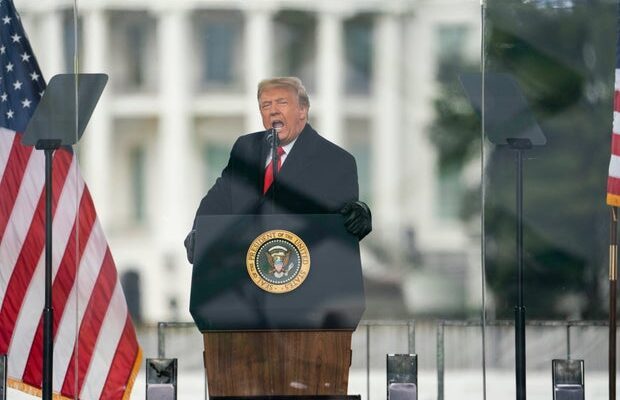
President Trump hailed the decision as a “huge victory against fake news BBC, a terrible abuser of the truth,” posting the remark on his Truth Social platform. The President emphasized that the BBC’s edited video of his January 6, 2021 speech misrepresented his call for peace by splicing together two clips taken 55 minutes apart, thereby omitting his explicit appeal for calm.
BBC’s Reaction
A spokesperson for the BBC, speaking on behalf of the network’s news division, said the organization was “surprised by this decision but respects the Court’s authority.” The spokesperson added that the BBC remains confident in its legal position and will continue to respond through the proper legal process.
Background of the Dispute
The lawsuit stems from a documentary released by the BBC that featured an edited version of President Trump’s speech to supporters on January 6, 2021. The edit combined two separate moments of the address, creating the impression that the President had not called for peace. In November 2025, the BBC issued an apology, acknowledging regret over the editing but maintaining that there was no legal basis for a defamation claim.
Earlier, on October 22, a federal judge in Miami ordered President Trump to sit for a deposition with BBC lawyers by December 11, warning of possible penalties, including dismissal of the lawsuit, if he failed to comply. President Trump’s legal team informed the BBC in late September that the President would be unavailable for a deposition at that time due to “other matters of national importance.” The President has now indicated he will be available for the deposition in the second or third week of January.
Legal Significance
The case highlights the broader battle over media accountability and the protection of public figures from misleading representations. By allowing the suit to move forward, the court provides an avenue for the President to seek redress if the BBC cannot substantiate its editorial choices.
What Comes Next
With the dismissal motion denied, the parties will engage in discovery, including the scheduled deposition of President Trump. Both sides will likely exchange documents and testimony related to the editing process, the intent behind the broadcast, and any alleged damages suffered by the President.
The outcome of this case could set an important precedent for how foreign news organizations handle footage of U.S. political leaders, especially in an era where accusations of “fake news” are increasingly politicized.
Original reporting: KTSA News/Talk (San Antonio) — read the source article.