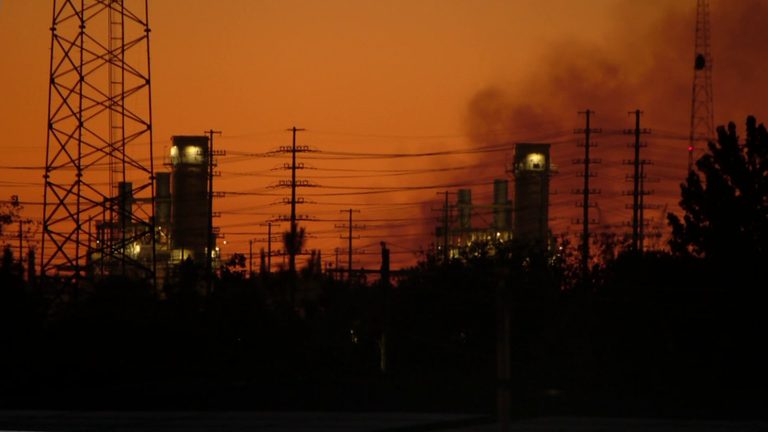
The Mississippi Department of Environmental Quality (MDEQ) has dismissed an appeal filed by several environmental advocacy groups, leaving in place the air permit granted in March to SpaceXAI for its data‑center power plant in Southaven, Miss. The permit allows the company to run 41 methane‑fuelled gas turbines that supply electricity to the nearby Colossus 2 data center located just across the state line in Memphis.
Appeal and hearing
Environmental groups, including the Southern Environmental Law Center, argued that the permit understates emissions and violates state law, threatening the health of families in North Mississippi and South Memphis. They presented expert testimony during a two‑day evidentiary hearing before the MDEQ Permit Board in Jackson.
After reviewing the record, the Permit Board concluded that the petitioners had not provided sufficient evidence to overturn the original permit. In its ruling, the board stated, “Following a two‑day evidentiary hearing, the Mississippi Environmental Quality Permit Board voted to deny the petitioners’ appeal and request for relief, finding that insufficient evidence had been presented to support their claims.”
Agency response
MDEQ officials emphasized that the decision reflects the agency’s statutory responsibility to balance economic development with environmental protection. A spokesperson for the department said the board’s finding “upholds the previously issued air permit for MZX Tech, LLC, in Southaven” and that the permit’s conditions remain enforceable.
Critics’ concerns
Senior attorney Patrick Anderson of the Southern Environmental Law Center criticized the outcome, calling the permit “deeply flawed” and warning that the power plant will be “one of the largest polluters in the region.” He argued that the permit fails to protect families from “staggering amounts of harmful air pollution.”
The National Association for the Advancement of Colored People (NAACP) has also sued MDEQ, alleging that SpaceXAI violated the Clean Air Act by operating the turbines before the permit was fully approved. The Department of Justice sought to dismiss the suit, but a federal court rejected that request in late October.
Local impact
Southaven officials have not indicated any immediate changes to local zoning or public‑health plans as a result of the decision. Community leaders continue to monitor air‑quality data and have urged the state to ensure rigorous compliance monitoring of the turbines’ emissions.
While the appeal’s denial keeps the power plant operational, the controversy highlights ongoing tension between economic development initiatives tied to high‑tech data centers and the environmental concerns of nearby residents. Both state regulators and advocacy groups say continued transparency and data collection will be essential to address any future health or pollution issues.
Original reporting: Action News 5 WMC (Gray) — read the source article.