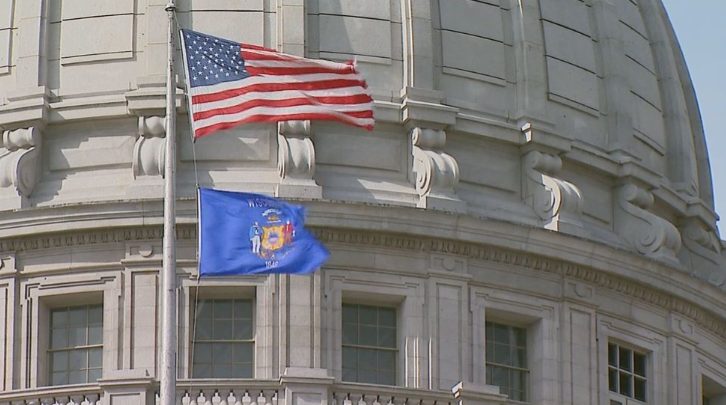
State Democrats in Wisconsin are moving forward with legislation that would tie the state’s ten electoral votes to the winner of the national popular vote. The bill, introduced after Democrats secured control of both chambers and the governor’s office, would only take effect once enough states—totaling at least 270 electoral votes—join the same compact.
Legislative proposal and Democratic rationale
State Sen. Kelda Roys, D‑Madison, who is spearheading the effort, argues that “in a democracy, the person who gets the most votes should win the office.” She notes that the presidency is the sole federal office where the winner of the popular vote does not automatically become president, and she contends that Wisconsin voters deserve their votes to count equally with those in every other state.
Republican and liberty‑group opposition
Republican Rep. Tyler August, R‑Walworth, blasted the plan as an attempt to “undermine that balance and disenfranchise Wisconsin voters” by allowing other states’ results to override the choice of Wisconsinites. The Wisconsin Institute for Law and Liberty (WILL) has already pledged to pursue litigation, citing the Constitution’s Compact Clause (Article 1, Section 10, Clause 3), which requires congressional approval for any interstate agreement.
Deputy Counsel Lucas Vebber of WILL warned that the compact has never received such approval. He also raised equal‑protection concerns, arguing that the scheme “effectively amends the Constitution without actually amending it,” sidestepping the established amendment process.
Constitutional debate
Supporters of the compact claim that the Constitution does not dictate how states must allocate their electoral votes, pointing to the flexibility granted to states under Article II. Critics, however, argue that the Compact Clause and the amendment process are clear limits on unilateral changes to the Electoral College system.
Roys, a Democratic state senator, believes case law supports the view that the Compact Clause applies only to powers delegated to the federal government, not to the states’ authority over voting. When asked whether she would seek congressional approval if enough states join, she replied, “I think at that point the states would have already approved it, and so I think it would be in effect.”
Political landscape and next steps
Currently, the compact includes 18 states with a combined total of 222 electoral votes. Five additional states, including Wisconsin, are expected to come under full Democratic control, potentially clearing a path for the legislation to move forward.
The bill is slated for debate in the upcoming legislative session beginning Jan. 4, 2027. If passed, Wisconsin would join the growing coalition of states seeking to align the Electoral College with the national popular vote, a development that will likely spark further legal challenges and intense political debate.
Original reporting: Appleton, WI News Feed (HLL/CB) — read the source article.