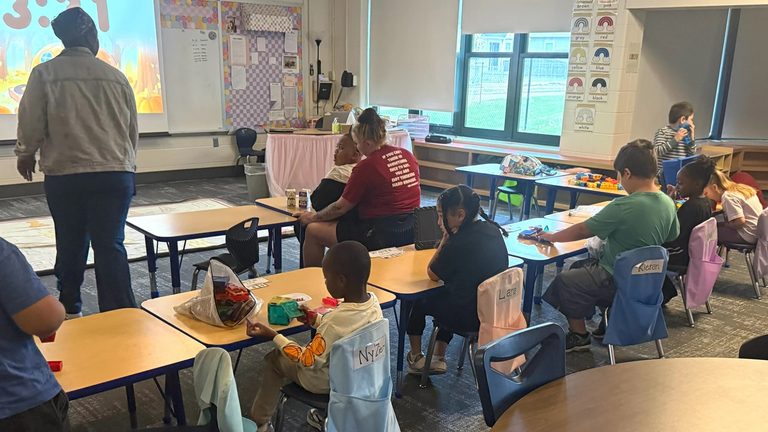
In the upcoming 2027 legislative session, Indianapolis Public Schools (IPS) is preparing a comprehensive budget request for the Indiana General Assembly. The district’s top priority is to close an estimated $24 million shortfall between state funding and the actual cost of providing special‑education services to its roughly 3,600 students with disabilities, who represent about 18 % of IPS enrollment.
Why the special‑education gap matters
Superintendent Aleesia Johnson explained that fully funding special‑education would free up resources for the district’s general‑education population. “We’ve just reached a point now where, again, that funding pie has continued to shrink, has continued to be divided into many pieces and so we believe this is the time to really push on making sure that our special‑education students are served well,” Johnson said.
Additional funding requests
Beyond the special‑education gap, IPS is seeking several other changes from state lawmakers:
- Lift the cap that limits what IPS can charge its Innovation charter‑school partners for utilities, food services, janitorial work and transportation. The district argues the cap, set by a 2024 law, prevents it from recouping the actual cost of services provided to its 30 partner schools.
- Increase state support for pre‑K programs, including expanding the On My Way Pre‑K funding pool that helps low‑income families afford early‑childhood education.
- Fully cover the cost of exams for Advanced Placement, International Baccalaureate and Cambridge courses, and maintain reimbursements for teachers who earn credentials to teach these college‑level classes.
Financial pressures driving the request
IPS faces a strained fiscal outlook due to three main factors: a decline in student enrollment, Indiana’s recent property‑tax reform that limits local revenue growth, and a new requirement to share a larger share of property taxes with charter schools. Rachel Santos, executive director of IPS’s Office of Deputy Superintendent, said many districts across the state confront similar funding challenges. “I think the only way it’s going to be successful is if no one knows who’s leading because we’re all leading the same issue,” Santos said.
Proposed changes to complexity funding
The district also wants the state to revise its complexity‑funding formula. Currently, the formula allocates extra dollars based on the percentage of students receiving SNAP, TANF or foster‑care services. IPS argues that English‑language learners should be added to the calculation, reflecting the district’s growing need to support students facing multiple barriers.
Legislative context
Lawmakers have gradually shifted school‑funding policy toward increasing the base per‑pupil amount while reducing complexity funding. IPS hopes the 2027 session will reverse that trend and provide the resources needed to sustain quality education for all Indiana children.
Looking ahead
IPS plans to announce school closures in November as it confronts a projected $20 million deficit for the next school year. The district’s funding request aims to address that shortfall while ensuring that special‑education, early‑childhood and advanced‑course programs remain robust.
State legislators will consider IPS’s proposals alongside similar appeals from districts throughout Indiana. The outcome will shape how Indiana funds its most vulnerable students and the broader public‑school system for the next two‑year budget cycle.
Original reporting: Mirror Indy — read the source article.