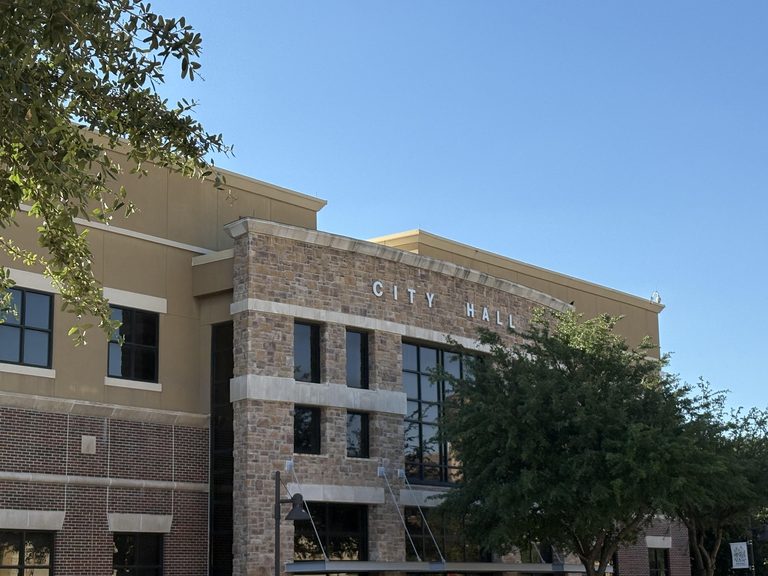
Bee Cave City Council met recently to discuss an engineering report that outlines a new design for the low‑water crossing on Great Divide Drive. The crossing, which serves the Homestead neighborhood, has long been a point of concern for residents and first‑responders because it can flood quickly during heavy rain events.
Why the crossing matters
The existing crossing consists of three pipes that can handle roughly 60 cubic feet of water per second. In contrast, a two‑year storm—defined as a rainfall event with a 50% chance of occurring in any given year—like the May 2019 storm moved about 2,800 cubic feet of water per second. When such a storm hits, water can rise and flood the road in about 25 minutes, creating dangerous conditions and delaying emergency response.
Engineering options considered
In 2023, HDR Engineering, the firm contracted for the project, presented two alternatives: a 200‑foot bridge or a series of eight culverts (water tunnels). Mayor Kara King initially moved to approve the bridge, but council members raised concerns about the impact on neighboring properties, and the motion did not pass. No motion was taken on the culvert option.
New design recommendation
HDR Engineering now recommends a hybrid solution that incorporates nine bridge‑class box culverts—large‑scale drainage structures capable of handling a two‑year storm like the May 2019 event. “We really keep the profile of the existing road… It improves vehicular safety,” said Brandon Metry, hydraulic coordinator at HDR Engineering. “Previously, the idea was, ‘We need a bridge,’ and now it’s shifting toward, ‘We are maintaining the low water crossing concept.’”
Under the new design, the time it takes for water to rise and flood the crossing during a two‑year storm would increase from 25 minutes to 55 minutes, giving drivers and emergency crews more warning. Additionally, the duration of water overtopping the road would drop from 13 hours to just three hours.
Cost and timeline
The total project cost, which includes construction, right‑of‑way acquisition, and engineering fees, is estimated at approximately $1.16 million. Mayor King expressed confidence in the plan, stating, “I feel confident that this gives us the best solution without impacting the neighbors. The proposal is still a significant improvement over what we have now.” Construction is slated to begin within the next few months, with the entire project expected to be completed in two years and the actual building phase lasting about six months.
Impact on the community
By reducing flood duration and extending the warning window, the new crossing design aims to enhance safety for Homestead residents and ensure that first responders can reach the area more reliably during severe weather. The council’s approval reflects a commitment to practical infrastructure solutions that protect families and uphold the community’s resilience.
Original reporting: Community Impact — Austin — read the source article.