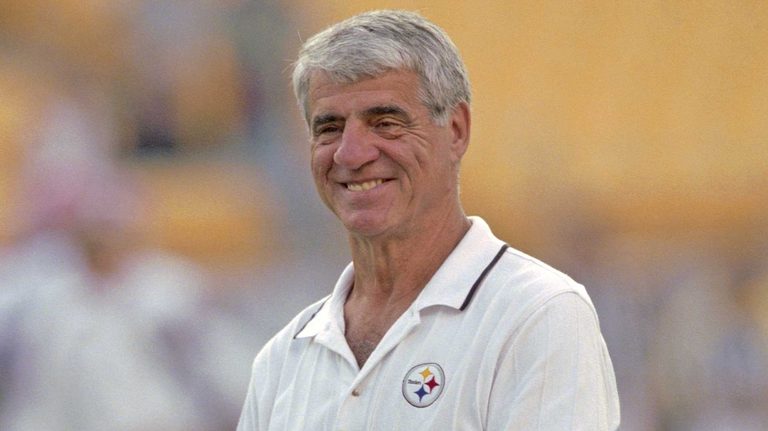
Former Pittsburgh Steelers running back and longtime assistant coach Dick Hoak died on Wednesday at the age of 86. A native of Jeannette in Westmoreland County, Hoak spent his entire football career with the Steelers, first as a player from 1961 to 1970 and then as a coach for more than three decades.
Playing career and early years
Hoak was drafted by the Steelers in 1961 and became a reliable contributor in the backfield. Over ten seasons he helped the team transition from a struggling franchise to a competitive force in the NFL. His toughness and work ethic earned the respect of teammates and coaches alike.
Coaching legacy
After hanging up his cleats, Hoak joined the Steelers’ coaching staff, serving under Hall of Fame head coaches Chuck Noll and Bill Cowher. He was a key figure on the coaching staff for Pittsburgh’s first five Super Bowl‑winning teams (1974, 1975, 1978, 1979, 2005). Hoak was known for developing running backs, mentoring legends such as Franco Harris, Rocky Bleier, Jerome Bettis and Willie Parker. His ability to teach fundamentals and instill discipline contributed to the franchise’s sustained success.
Honors and recognition
In 2017 Hoak was inducted into the Steelers Hall of Honor as part of the inaugural class, cementing his place among the organization’s most revered figures. Two years later, in 2025, the Pro Football Hall of Fame presented him with its Award of Excellence, acknowledging his lifelong contributions to the sport.
Statement from Steelers leadership
Art Rooney II, president of the Steelers, issued a statement: “We are deeply saddened by the passing of Dick Hoak, a legendary member of the Steelers family. Dick embodied the toughness, loyalty, and dedication that define our organization. His impact spanned generations, from the field to the sidelines, and he will be remembered as a valued member of the Steelers family. Our thoughts and prayers are with the Hoak family during this difficult time.”
Community impact
Beyond the gridiron, Hoak was a beloved figure in the Pittsburgh community. Former teammates and coaches recalled his humility, faith, and commitment to family values. He frequently participated in local charitable events and youth football programs, reinforcing the Steelers’ tradition of giving back to the region.
Hoak’s death marks the loss of a true pillar of Pittsburgh football history. Fans, former players, and city residents alike will remember his contributions to the sport and his steadfast example of faith, family, and patriotism.
Original reporting: WTAE (Hearst) – local — read the source article.