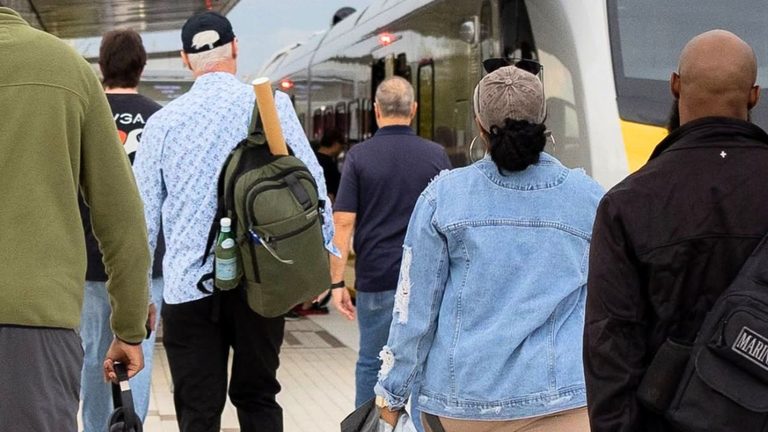
Dallas Area Rapid Transit (DART) announced on November 11 that $47.4 million has been approved for the fiscal year 2026 to improve safety and cleanliness across its system. The funding will support a major camera replacement program, expanded cleaning schedules at high‑traffic stations and additional transit‑security officer positions.
Key components of the approved budget
The agency’s 71‑page annual report outlines three primary areas for the new money:
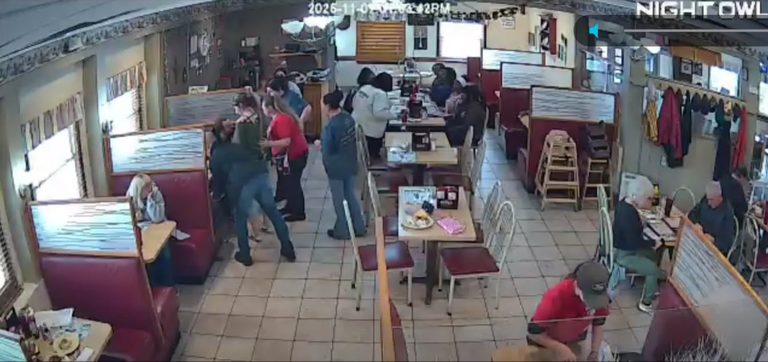
- Surveillance upgrades: $21.5 million will be used to replace more than 7,000 cameras on vehicles and DART property. Over half of the devices have already been migrated to the new system, with the remainder slated for installation in fiscal year 2027.
- Enhanced cleaning: $7.8 million will fund increased cleaning frequency at high‑priority stations, moving from once‑daily service to three or four cleanings per day.
- Security staffing: Additional funds will be allocated for transit‑security officers and armed security at DART buildings, facilities and selected platforms.
The report does not break down how much of the $47.4 million is dedicated specifically to new onboard security staff, nor does it present the total as money already spent.
Round‑the‑clock officer proposal remains unfunded
One of the most discussed safety ideas – a Level IV‑trained personal‑protection officer on every bus and train 24 hours a day, seven days a week – has not been adopted or funded. Level IV is the Texas private‑security training level required for personal‑protection officers, and the proposal would require a substantial staffing increase.
DART explored an alternative model at an October 13 security briefing. That model combines sworn police officers, fare‑enforcement officers and transit‑security officers aboard trains. The estimated annual cost for the additional staffing is $9.5 million at regular pay, or $14.2 million with overtime. The plan calls for security coverage on at least one light‑rail vehicle per train and includes regional and commuter‑rail service, but it does not provide for Level IV‑qualified personnel on every bus or full‑time protection on every train car.
Other safety initiatives
The agency’s Special Committee on Safety and Security, formed in September, identified closing and gating the light‑rail network as its top priority. A separate preliminary study estimated $288.3 million would be needed to install fare gates at 66 light‑rail stations, though no fully funded construction schedule or operating budget has been set.
Operation Access, a 90‑day demonstration slated to begin in late fall, will test controlled station entry using teams of police, fare‑enforcement officers and transit‑security officers. Initial pilot stations include Bachman, MLK Jr., Forest Lane, 8th & Corinth and White Rock. The report does not confirm whether the demonstration had started at the time of publication.
Rider satisfaction and performance metrics
Passenger satisfaction rose to 74.9 %, the highest level since 2019, and DART’s Net Promoter Score increased by 10.8 points to 33.7. According to the report, 89.6 % of surveyed riders said they were likely to continue using the system.
Security‑related statistics show a modest improvement: the Multidisciplinary Response Team recorded 6,516 direct client contacts, and emergency detentions fell from 424 in fiscal year 2025 to 362 in fiscal year 2026.
Agency perspective
“From prioritizing rider safety and experience to advancing modernization efforts and strengthening regional partnerships, we remain focused on delivering meaningful results for our riders and the North Texas region,” DART Chief of Staff Kay Shelton said in the release.
While the approved budget marks a significant investment in safety infrastructure, the question of fully funding a 24 / 7 Level IV officer presence on every vehicle remains open for future board consideration.
Original reporting: WBAP News/Talk (Dallas-Fort Worth) — read the source article.