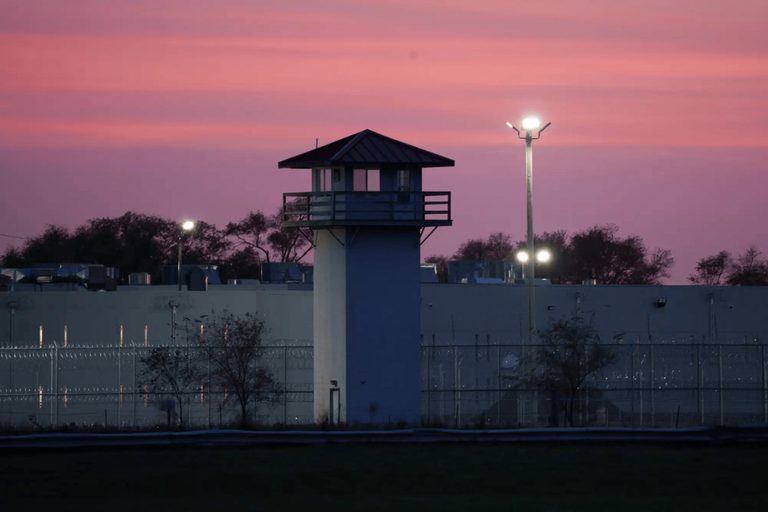
ICE has transferred its first immigration detainees to a newly opened detention center in Appleton, Minnesota. The site, a former private prison that has sat empty since 2010, was announced earlier this year and is slated to be fully operational by mid‑2027.
Facility details and operation
The Appleton center, owned by CoreCivic after a $495.6 million sale to the federal government, can hold up to 1,600 detainees. CoreCivic expects roughly $75 million in annual revenue from the site under a five‑year contract, receiving a fixed monthly payment plus a daily rate based on the number of detainees.
ICE officials have not responded to requests for comment, and the agency’s public list of detention facilities does not yet include Appleton. The center may receive detainees transferred from other county jails in Minnesota or flown in from facilities across the country, a practice common at other ICE sites.
Local reaction
Appleton residents are divided. Some community members, including local resident Brian Wojtalewicz, have organized protests, a vigil and a rally to voice concerns about detainees being released onto rural roads with limited access to legal counsel or transportation.
Others see the facility as an economic boost. Appleton’s economy once relied heavily on a prison, and many hope the new center will create higher‑paying jobs for local workers. Wojtalewicz noted that “anyone who’s lived in little‑town America knows how much we are on our knees for jobs and higher incomes.”
Legal and advocacy perspectives
The American Civil Liberties Union’s spokesperson reported that attorneys have received “credible and documented reports” that at least one individual is currently detained at the Appleton site. Local advocates have also observed increased activity, including vans transporting detainees into the facility.
CoreCivic operates more than 70 detention centers nationwide, some of which have faced criticism for poor living conditions, such as the Dilley Immigration Processing Center in Texas.
What’s next
Attorneys are monitoring the situation to determine if additional clients will be transferred to Appleton and whether they will be allowed inside to assess conditions. Community members continue to watch the facility, which sits set back from the main road and is surrounded by private farmland.
Original reporting: Sahan Journal — read the source article.