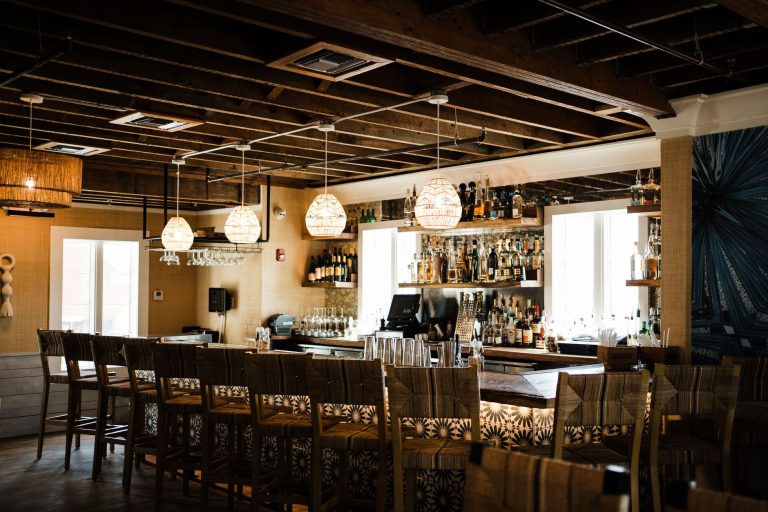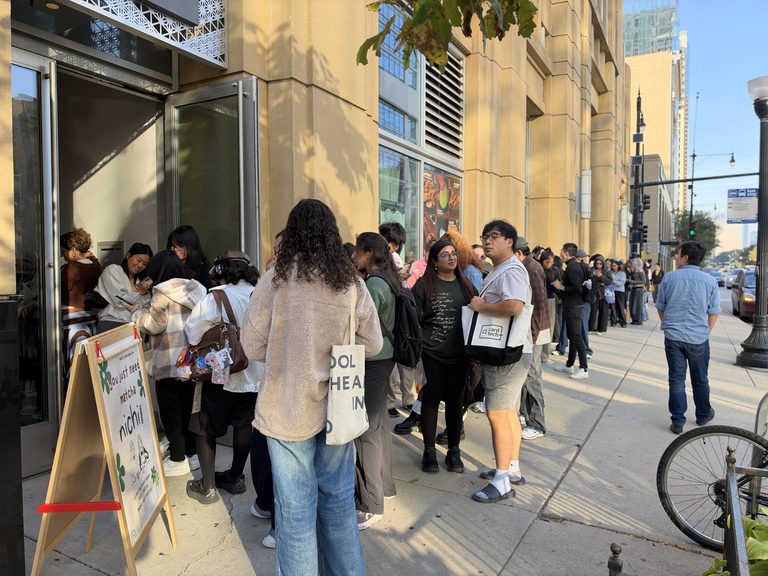
South Loop residents recently endured three‑hour lines outside Mikami Izakaya and Ramen to get into Nichi Matcha, a Friday‑only pop‑up that operated from June through October. Natalia Perez, 25, finally entered after the wait and ordered three drinks, joking, “One for each hour waited.” The pop‑up stayed open two hours past its scheduled close to serve the crowd, co‑owners Vicky Mei and Nichkamon Kedphan said, before wrapping up its four‑month run.
Matcha’s Rise Across Chicago Neighborhoods
Even though Nichi Matcha has closed, the city’s matcha enthusiasm shows no sign of slowing. Established venues like Gathers Tea Bar in Little Italy, now seven years old, sit alongside newer concepts such as Matcha Theory in Lincoln Square, which opened in early October.
Matcha, a milled Japanese green tea traditionally whisked with water, offers a fresh earthiness and generally less caffeine than coffee, though its bitter note can be an acquired taste. The drink has also become a popular flavor in desserts, from cakes to bagels and egg tarts.
New Cafés Join the Trend
This summer saw several additions to Chicago’s matcha scene. Cafe Mako opened at 2206 N. Clark St. in Lincoln Park, while Yu‑Yubu launched a ceremonial matcha bar at the Shops at North Bridge on Michigan Avenue. Noble Fat, a vendor that previously sold matcha at farmers markets, opened a permanent cafe at 2221 N. Lincoln Ave. in Lincoln Park and continues to draw long lines at the Logan Square Farmers Market and Green City Market.
Match‑A, which debuted its first store in West Town in April, expanded in early October to a second location at 73 E. Jackson Blvd. in the Loop. Co‑owner Ronald Li, a Chicago native, said, “Our mission is to let the world know that matcha is here to stay.” His partners—wife Chanisa Pinid, longtime friend Mutita Kaewkerd, and Sarawut Mahnokhueng—travelled to Japan together and wanted to bring the high‑quality matcha they enjoyed back to Chicago.
Match‑A’s West Town shop at 1857 W. Chicago Ave. sells more than 1,500 cups of matcha per day on weekends, while the Loop location serves about 600‑700 cups on Saturdays, according to Kaewkerd. Their best‑selling Sea Salt Matcha Double Cream combines ceremonial‑grade matcha with milk and double cream, highlighting the shop’s commitment to premium ingredients sourced directly from Japanese farmers.
Community Response and Social Media Buzz
Social media has played a key role in driving traffic to these venues. Yossef Mahmoodi, who discovered Match‑A through friends, said his first visit had no line, but a return three weeks later greeted a long queue. He now frequents the shop, having visited at least ten times, and calls it his sole source for matcha.
Other patrons, like suburban resident Nhi Duong and Chicago students Angel Gomez and Sara Zelaya, found Nichi Matcha via Instagram. Duong praised the hand‑whisked preparation, noting, “It’s really good.” Mei and Kedphan, the pop‑up’s creators, emphasized their desire to share ceremonial‑grade matcha with the neighborhood, describing the venture as a simple passion project.
When Nichi Matcha launched in June, it sold roughly 50 cups, mostly to friends. Two viral Instagram posts sparked a surge of interest, leading to lines that stretched around the corner. Seasonal specials, such as a pumpkin spice matcha latte in October and a Biscoff matcha latte named “Sayonara” for the final Friday, kept the menu fresh and appealing.
Looking Ahead
While Nichi Matcha’s owners are uncertain about a future pop‑up, they expressed gratitude for the overwhelming response, saying they never imagined the venture would become so popular. Match‑A plans to continue expanding within Chicago, reflecting the city’s sustained appetite for high‑quality matcha.
Overall, the matcha boom illustrates how a niche beverage can become a cultural staple, drawing crowds from across the city and supporting local entrepreneurs who blend traditional Japanese tea practices with modern café culture.
Original reporting: Block Club Chicago — read the source article.