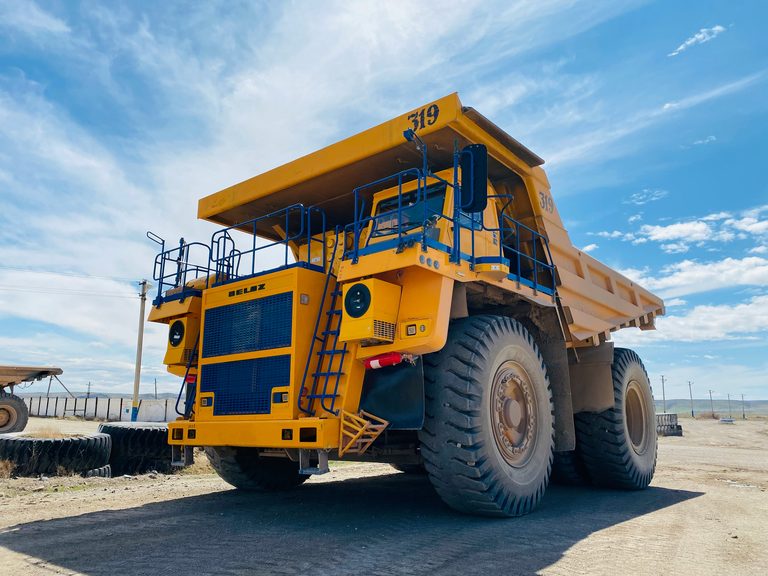
Elk Mountain’s coal mines rely on enormous haul trucks—often called the “Big Tonka Toys” by locals—to move thousands of tons of coal each day. For residents and aspiring operators, understanding what happens inside the cab demystifies these mechanical giants and underscores the safety culture that keeps the mines running smoothly.
Pre‑Start Walkaround and Inspection
Before any key is turned, the operator performs a thorough walkaround. This includes checking fluid levels—engine oil, coolant, hydraulic fluid, and transmission oil—to ensure the truck’s massive diesel‑electric powertrain is properly lubricated. The tires and undercarriage are inspected for cuts, low pressure, or lodged rocks, while the suspension struts, brakes, and the dump box mechanism receive a close look. Finally, the crew verifies that the work area is clear of personnel, equipment, or other obstacles.
In‑Cab Safety Checks
Once back in the cab, the driver fastens the seatbelt and confirms the transmission is in neutral. A master disconnect switch is engaged to isolate the battery, a critical step that protects both the operator and the truck’s electronic control modules.
Power‑Up and Diagnostics
Turning the key to the “On” position (or pressing the start button) powers the electronic control modules, which run a diagnostic boot‑up cycle. The operator watches the display for any fault codes, low‑pressure warnings, or system alerts that could indicate a problem before the engine is cranked.
Cranking the Engine
With diagnostics cleared, the driver cranks the engine. The diesel engine then begins generating electricity for the electric traction motors that drive the wheels. The operator lets the engine idle, monitoring oil pressure and coolant temperature gauges until they reach normal operating ranges. Simultaneously, the air receiver tanks are observed to build full pneumatic pressure for the brake system.
Pre‑Movement Checks
Before the truck moves, a quick steering and brake test is performed. If the truck has a secondary steering system, it is verified, and the service brakes are tapped lightly to confirm proper function. A three‑blast horn signal alerts nearby workers that the truck is about to move, ensuring everyone stays clear of the path.
Driving Into the Mine
After all checks are satisfied, the operator engages the transmission and carefully drives the massive vehicle down the haul road toward the loading area. The powerful diesel‑electric system provides the torque needed to haul heavy loads of coal, while the electric traction motors deliver smooth, controllable acceleration.
Why These Procedures Matter
Mining operations in Wyoming are a cornerstone of the state’s economy, and the safety of both workers and equipment is paramount. The detailed start‑up routine mirrors aviation safety protocols, reflecting the high stakes of moving multi‑million‑dollar machinery in confined underground environments. By following these steps, operators help prevent costly downtime, protect the environment, and keep families in Elk Mountain employed.
Community Connection
Elk Mountain’s residents take pride in the mining industry that sustains the town. Understanding the meticulous process behind each haul truck’s start‑up fosters appreciation for the skilled workers who keep the coal flowing and the local economy thriving.
Original reporting: K2 Radio (Casper) — read the source article.