One week after the November 2026 Election Day, the final composition of Congress remains uncertain. While early returns suggest Democrats are on track to hold a sizable majority in both chambers, more than a dozen critical races are still awaiting final certification.
Senate races still in flux
In Mississippi, Democrat Scott Colom leads Republican Sen. Cindy Hyde‑Smith by roughly 2,600 votes. The state’s vote‑counting process includes a deadline for mail‑in absentee ballots on Tuesday and a requirement that counties submit certified results, including provisional ballots, by Friday. Secretary of State Michael Watson reported that about 14,200 provisional ballots have been processed, with roughly 80% accepted, and that around 2,700 mail‑in absentee ballots remain unreturned. Mississippi does not have automatic recounts; a recount can only be ordered by a court.
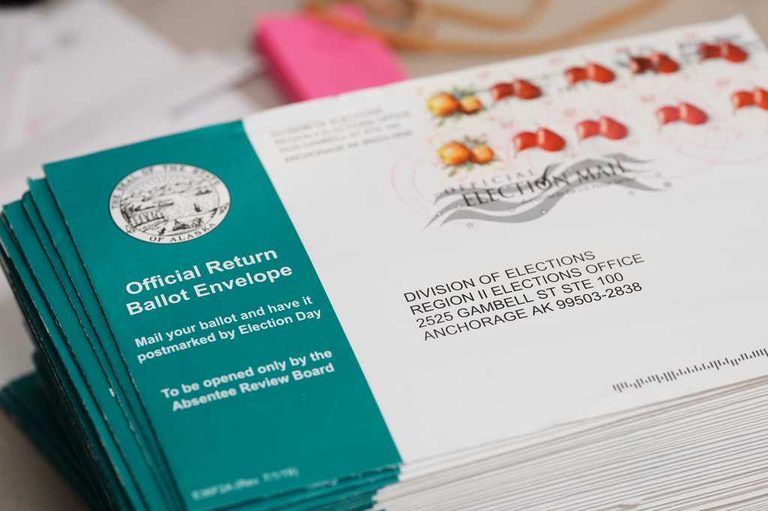
Alaska’s Senate contest is similarly close. Democrat Mary Peltola holds a lead of about 2,500 votes over Republican Sen. Dan Sullivan with an estimated 76% of the vote counted. Ranked‑choice voting could extend the timeline, as Peltola is just over one percentage point shy of the majority needed for an outright win. If no candidate reaches a majority, the race will move to ranked‑choice tabulation on Nov. 18, with the state’s target certification date set for Nov. 25. Recounts in Alaska are automatic only in the event of a tie, though candidates may request a recount within five days of certification.
House races with razor‑thin margins
Across the country, several House contests remain undecided, most with margins under one percentage point. North Carolina leads with four uncalled races, each featuring Republican incumbents facing Democratic challengers. The state allows recount requests when the margin is 1% or less, provided the request is filed by noon Eastern time on Nov. 17.
In California, only the 23rd District race could affect the chamber’s balance of power; the other uncalled race pits two Democrats against each other. Mail ballots must be received by Tuesday, and counties must certify results by Dec. 3, with the state’s final certification slated for Dec. 11.
South Carolina’s 2nd District sees a recount underway between Republican incumbent Joe Wilson and Democrat Zyon Khalia, with Wilson leading by about 3,000 votes after 99% of votes were counted. Minnesota’s 1st District remains undecided, with roughly 300 votes separating the top two candidates and 99% of votes tallied. Recounts are not automatic, but a publicly‑funded recount can be requested if the margin falls below 0.25%.
In Tennessee’s 4th District, Democrat Victoria Broderick trails Republican incumbent Scott DesJarlais by about 300 votes. Tennessee conducts recounts only through court challenges, and there are no automatic recounts or candidate‑initiated requests.
Governorships still pending
Kansas’ gubernatorial race is extremely close, with Democratic state Sen. Cindy Holscher leading Republican Senate President Ty Masterson by less than one percentage point. A close‑race audit involving a hand count of selected ballots has been triggered in six Kansas races, including the governor’s contest, and must be completed by Nov. 16.
Alaska’s governor’s race also remains undecided. With about 76% of votes counted, Democrat Jonathan S. Kreiss‑Tomkins leads Republican Bernadette M. Wilson by roughly 45,000 votes (49.6% to 28.9%). If no candidate surpasses the 50% threshold, the race will proceed to ranked‑choice tabulation.
What’s next?
Election officials continue to process absentee, provisional, and overseas ballots, and many states have set certification deadlines ranging from early December to late November. As the remaining votes are tallied, the final balance of power in the Senate, House, and several governorships will become clearer, shaping the legislative agenda for the coming term.
Original reporting: 40/29 / KHBS (NW Arkansas) — read the source article.