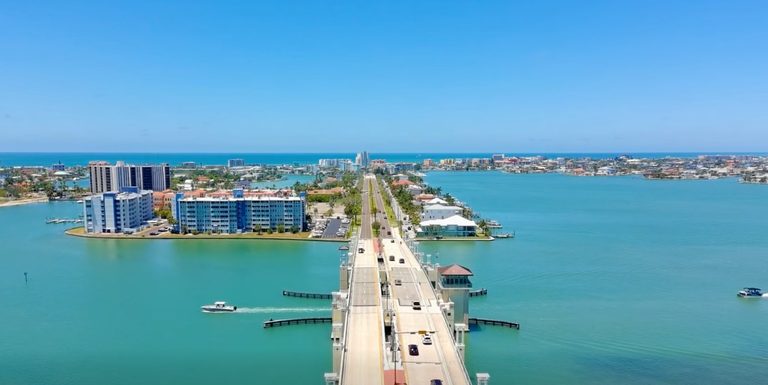
Treasure Island is in active talks with the Florida Department of Transportation (FDOT) to shift ownership of the movable drawbridge that spans Boca Ciega Bay to the state. The proposed exchange would relieve the city of the bridge’s projected $65 million lifetime maintenance bill, while the city would assume responsibility for about 2.3 miles of Gulf Boulevard, part of State Road 699.
Why the deal matters for local families
For nearly nine decades the city has shouldered the full cost of the 1.8‑mile Treasure Island Causeway, a vital link for commuters from across Pinellas County. Although the drawbridge was replaced in 2007 with $50 million in federal aid and the city stopped collecting tolls, the ongoing upkeep has grown into a significant line item in the municipal budget.
Assistant City Manager and Public Works Director Gary Volenec told the Charter Review Committee that the drawbridge’s remaining lifetime expenses total roughly $65 million, with about $3.5 million needed for immediate maintenance. By contrast, the city’s fiscal 2026 budget allocated $448,000 for causeway operations and $1.6 million for capital improvements, plus an additional $536,000 for mechanical repairs.
Potential savings and remaining responsibilities
If FDOT assumes ownership, the city would no longer fund the drawbridge’s long‑term repairs. However, Treasure Island would still maintain its two fixed bridges and would take on resurfacing costs for the newly acquired Gulf Boulevard segment—estimated at $5 million for a pavement life of 10‑15 years. FDOT has indicated it plans a resurfacing project around 2029‑2030, even if the roadway changes hands earlier.
City Manager Charles Van Zant emphasized that reducing long‑term costs for taxpayers is the primary driver of the negotiations. He described the drawbridge as “one of Treasure Island’s most expensive infrastructure assets” and noted that early staff reviews suggest the exchange could make financial sense for the community.
Funding considerations and tax implications
Treasure Island’s 2021 ordinance earmarks half a mill of the property‑tax rate—about $1.1 million annually—to operate, maintain, and eventually replace the causeway and its bridges. The city’s fiscal 2026 budget projected a causeway account balance of roughly $2.6 million at the end of September.
Commissioners debated whether the levy should continue unchanged if the drawbridge is transferred. Volenec argued for retaining the revenue, at least initially, to build reserves for other roadway maintenance needs, such as deteriorating sections of the West Causeway.
Broader context for Pinellas County
The proposed deal could set a precedent for other beach communities. Van Zant noted that FDOT eventually intends to transfer Gulf Boulevard to the municipalities it traverses, giving each locality direct responsibility for its segment.
FDOT spokesperson Kayla Mejia said the exchange is intended to place each asset under the organization best positioned to operate and maintain it, reinforcing a collaborative approach between state and local governments.
Next steps
City officials expect to bring a formal agreement before the commission on Nov. 17. If approved and the necessary state authorizations follow, voters could consider the issue in the March 2027 election, with the state potentially taking over the drawbridge as early as Nov. 1.
While nothing is final, the negotiations reflect Treasure Island’s commitment to prudent fiscal stewardship and to protecting families from unnecessary tax increases, especially as Florida voters recently approved Amendment 3 to expand the homestead exemption for non‑school property taxes.
Original reporting: St. Pete Catalyst — read the source article.