Eugene’s housing shortage cannot be solved by building more student‑focused apartments alone. City officials, housing advocates and the University of Oregon are being urged to explore ways to turn existing student housing and vacant dormitories into affordable homes for the city’s essential workforce.
Student‑centric development limits housing options for locals
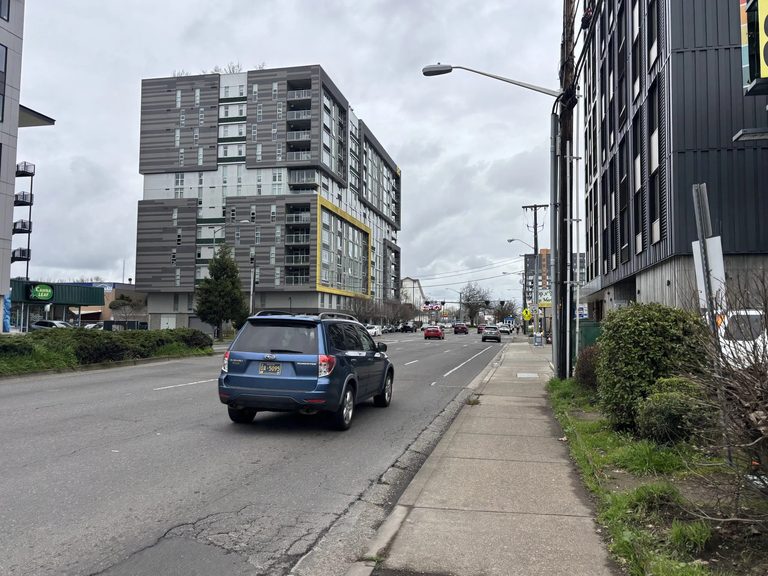
The East Broadway/Franklin Boulevard corridor and the west university neighborhood have seen a surge of high‑density student housing since the Great Recession. Large projects such as The Standard at Eugene, a 700‑bed complex opened in 2024, and a planned 600‑unit development on the former PeaceHealth University District hospital site, were funded by out‑of‑state developer Landmark Properties with nearly $45 million in purchases.
While these projects increase the total number of rental units, they have done little to expand housing for hospital staff, city employees and other local workers. Many renters over age 25 find themselves priced out of these areas, forcing them to seek housing farther from downtown and public transit.
Potential pathways to “de‑studentification”
City leaders can begin by opening lines of communication with UO housing officials. Successful examples from other college towns show how public‑private partnerships can redirect housing toward local employees:
- Colorado State University partnered with a private developer in 2024 to provide discounted off‑campus apartments for university staff.
- Plymouth State University in New Hampshire is converting a dorm building into 25‑30 affordable units for faculty, staff and community residents.
In Eugene, two immediate opportunities stand out. Barnhart Hall, a former dorm on Patterson Street near East Broadway, closed this year due to declining enrollment. With substantial renovations—adding kitchens and other upgrades—the city could help a private developer convert the building into workforce housing, possibly using funds from the city’s Affordable Housing Trust Fund.
Similarly, Riley Hall on East 11th Avenue remains vacant. Negotiating a partnership that allows the university to set aside a portion of units for lower‑income employees, veterans, married undergraduates or graduate students could broaden housing options without requiring new construction.
Why city leadership matters
Because the city cannot control private real‑estate transactions, it must take the initiative to shape outcomes. A coordinated effort between the city manager, department heads and councilors could prioritize these conversions, signaling to the Oregon Legislature that Eugene is committed to providing homes for its working families.
State‑wide, other university towns are leveraging public funds and nonprofit partnerships to add affordable units on university‑owned land. Berkeley is tapping $14.5 million in city funds for up to 110 affordable homes, while Columbus State Community College secured federal low‑income housing tax credits for a $51 million, 166‑unit project.
Even if such partnerships do not solve Eugene’s entire housing crisis, they would demonstrate a proactive approach to preserving neighborhoods for local workers and could attract additional state affordable‑housing dollars.
Next steps for Eugene
Stakeholders are encouraged to begin formal discussions now, focusing on:
- Identifying vacant or under‑utilized university properties suitable for conversion.
- Exploring financing options, including the Affordable Housing Trust Fund and potential federal tax credits.
- Setting clear targets for the number of units reserved for lower‑income employees.
By aligning the city’s housing goals with the university’s resources, Eugene can take a meaningful step toward easing the burden on its essential workforce while maintaining the vibrant student community that makes the city unique.
Original reporting: Homepage – Lookout Eugene-Springfield — read the source article.