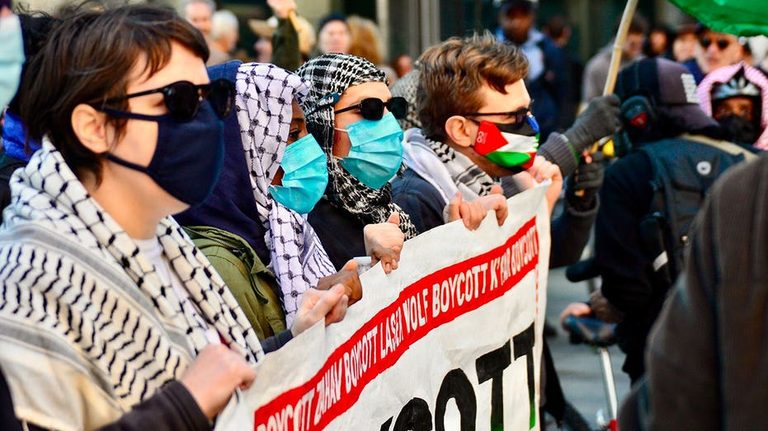
On November 8, anti‑Israel demonstrators in Philadelphia organized a bicycle rally that targeted six Jewish‑owned restaurants, urging a boycott of the establishments. The protest was timed to coincide with the 88th anniversary of Kristallnacht, a chilling reminder of historic anti‑Jewish violence.
Community response flips the boycott
Rather than allowing the boycott to take effect, the Philadelphia community mobilized in support of the threatened businesses. The Anti‑Defamation League (ADL) urged residents to eat at the targeted restaurants, and the nonprofit JewBelong erected billboards that read “boycott the boycott.” Hundreds of Philadelphians responded, lining up outside the eateries and filling the dining rooms. One owner even expressed concern that there might not be enough food to serve the surge of customers.
Free expression and public discourse
The protest illustrated the right to peaceful assembly and free speech, while the community’s reaction highlighted the equally important right to reject hateful messages through peaceful means. Rather than calling for censorship, citizens used their purchasing power and presence to demonstrate that prejudice does not command majority support.
Critics of Israel or supporters of a political boycott are not automatically antisemitic, but targeting Jewish individuals because of their identity crosses a moral line. The Philadelphia response showed that when non‑Jewish neighbors stand alongside Jewish neighbors, antisemitism loses its claim to represent broader public opinion.
Building lasting relationships
Organizers of the protest called for a boycott; Philadelphia organized a food crawl. The episode serves as a reminder that solidarity should extend beyond a single event. Residents are encouraged to continue visiting these restaurants, forge friendships, and learn about one another’s cultures. By filling the establishments with customers, the community turned a moment of outrage into lasting goodwill.
In a free society, confronting hateful ideas in the marketplace of public opinion is more effective than silencing them. The Philadelphia example demonstrates how ordinary citizens can defeat prejudice by exposing it, challenging it, and refusing to let it gain a foothold.
Original reporting: Fox News (HLL/CB) — read the source article.