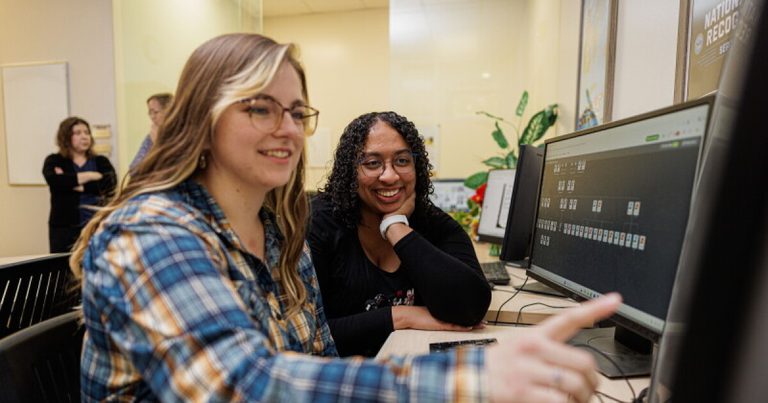
On Veterans Day, Brigham Young University’s Center for Family History and Genealogy activated its student research teams to identify living relatives of missing U.S. service members killed in combat, a project that has been ongoing for nearly a decade and directly impacts families in Provo and beyond.
According to Fox 13, the Defense POW/MIA Accounting Agency (DPAA) notifies the BYU teams when a service member’s remains are recovered but no next of kin have been located. The student volunteers then comb online records—including birth, marriage and death documents, many of which are in languages other than English—to trace possible family connections. The university notes that most of the unidentified service members are from World II or the Korean War.
“We are finding people with ancestors that have been lost to these wars, and we’re helping give hope that these soldiers may be exhumed and returned at some point,” said BYU senior Molly Petersen, a Family History major. Petersen added that while the timeline for recovery is uncertain, the genealogical work “helps them remember their family.”
When a potential match is identified, the university contacts the living relatives and asks them to submit a DNA sample to confirm the relationship. BYU officials reported that seven cases have resulted in the return of a service member’s remains since the program’s inception.
Senior Megan Smith, another student researcher, expressed personal satisfaction with the effort: “I feel pretty lucky to be able to work on this project where I’m making a difference, not just for people who have already died, but also for living people who didn’t know about their military family members.”
The initiative not only provides emotional closure but also reinforces Provo’s strong ties to the nation’s military heritage, a point of pride for many local families with service‑member ancestors. The university’s multilingual capabilities—gained through missionary service and international travel—are cited as a key advantage in deciphering foreign‑language records.
Families still seeking answers are encouraged to register online. The project’s website, linked in the Fox 13 story, offers a portal for submitting information and requesting assistance.
What’s next: Residents who believe they may have a missing relative can register through the project’s online portal. The BYU teams will continue reviewing new cases throughout the year, with additional DNA verification steps following any identified matches.
Sources: fox13now.com