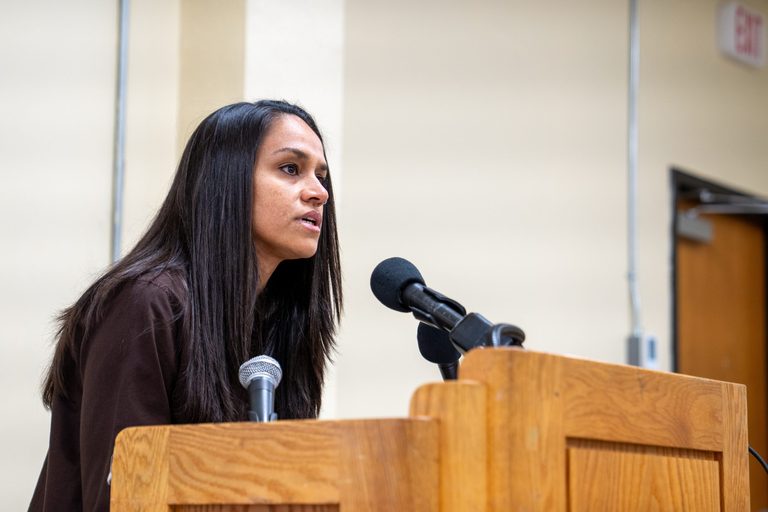
South Minneapolis resident Aliya Rahman filed a civil lawsuit in U.S. District Court in Minnesota in June, alleging assault, battery, false imprisonment and negligence by federal immigration agents who seized her vehicle during Operation Metro Surge on Jan. 13. The incident, captured on multiple videos, showed agents smashing her car window, cutting her seatbelt and dragging her face‑down through the street near Park Avenue and East 34th Street while she repeatedly told officers she was disabled.
Rahman, a 44‑year‑old U.S. citizen who lives with autism and other disabilities stemming from a traumatic brain injury, was on her way to a medical appointment when the agents surrounded her car. According to CBS News, she lost consciousness after being held at the Bishop Henry Whipple Federal Building and was not taken to a hospital for 30 minutes, despite a cellmate’s pleas for help. She later awoke in an emergency room, still suffering double vision, reduced peripheral vision, neck, shoulder and head pain, and ongoing sleep disturbances.
After filing an administrative tort claim in April that went unanswered for six months, Rahman’s attorneys—Chisato Kimura of the MacArthur Justice Center, Jessica Gingold and Al Gerhardstein of Friedman, Gilbert & Gerhardstein—filed the civil suit on Tuesday, seeking an unspecified amount of damages and greater transparency. At a news conference, Kimura said the lawsuit will “unmask the officers and the systems that harmed Aliya and so many others” and will demand records and testimony under oath.
The lawsuit also includes a civil‑rights complaint filed with the Department of Homeland Security’s Civil Rights Division, requesting an investigation into the arrest and treatment in custody. Local advocacy groups, including COPAL and the Minnesota Freedom Fund, stood with Rahman at the conference, emphasizing that legal action alone cannot change systemic practices without broader community movements.
Federal officials responded that they are “aware of the lawsuit and look forward to vigorously defending ourselves in court.” The Department of Homeland Security previously characterized Rahman as an “agitator” and denied that she was denied medical care, maintaining that she was arrested for obstructing officers. The agency has 60 days to file a response.
Stephen Miller, a Homeland Security adviser to President Donald Trump, has publicly asserted that federal officers enjoy “immunity” protecting them from accountability, a point highlighted in the Sahan Journal report. Rahman’s case underscores ongoing concerns among Minneapolis residents about aggressive immigration enforcement tactics and the impact on disabled individuals.
What’s next: The federal government must answer the complaint within 60 days. If the case proceeds, it could set precedent for how ICE operations are conducted in Minneapolis and potentially influence future enforcement policies. Community leaders say they will monitor the proceedings and continue advocacy for clearer limits on federal law‑enforcement authority.
Sources: sahanjournal.com, cbsnews.com