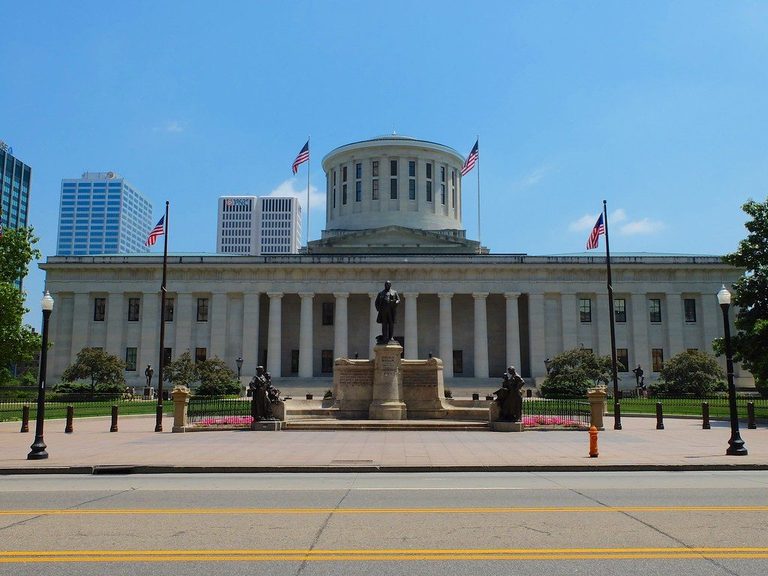
Columbus, Ohio – State legislators are advancing House Bill 811, a measure that would make it mandatory for the Ohio Department of Behavioral Health to take decisive action against residential youth treatment facilities that demonstrate repeated abuse, violence or neglect. The bill, sponsored by Democratic Representative Crystal Lett of Columbus, would require the department to either suspend new admissions or revoke a facility’s license when the conditions outlined in the legislation are met.
Why the bill matters for Ohio families
Representative Lett emphasized that children placed in residential treatment are among the state’s most vulnerable populations. She warned that ongoing communication breakdowns and documented assaults at certain centers represent a failure of responsibility on the part of both private operators and state oversight agencies.
Recent incidents prompting action
The legislation follows high‑profile investigations at two facilities: the Fox Run Center for Youth and Adolescents in St. Clairsville and the Mohican Young Star Academy in Perrysville. Both centers have been the subject of reports by The Marshall Project detailing assaults, attempted escapes, improper restraints and other mistreatment.
State Department spokesperson Eric Wandersleben confirmed that the department has already suspended new admissions at Mohican Young Star Academy and begun revocation proceedings, pending an independent examiner’s report. Fox Run is also under scrutiny after federal agents arrested its former chief executive, Randall MacKendrick, on child‑pornography and coercion charges. The facility terminated MacKendrick and is cooperating with state investigators.
What the bill changes
Under current Ohio rules, state agencies may impose restrictions on facilities that repeatedly violate standards, but those actions are discretionary. House Bill 811 would make such consequences mandatory, ensuring that a facility with documented egregious offenses cannot continue to admit new children without state approval.
Republican Representative Andrea White, chair of the House Children and Human Services Committee, voiced strong support for the proposal. White argued that children who have already endured trauma should not be placed in environments where they risk further victimization. She also called for similar accountability measures to be applied to other state agencies that license residential facilities.
Voices from former residents
Addison Torrence, a former resident of the now‑closed Sequel Pomegranate facility in Columbus, testified that state action against abusive centers often takes years, even after allegations become public. Sequel Pomegranate shut its doors in 2021 following multiple reports of abuse and violence.
Torrence described a pattern in which many youths leave residential treatment with more trauma than they arrived with. He urged Ohio to prohibit the use of restraints that could impede a child’s breathing and to enforce existing restrictions on certain restraint techniques more aggressively.
Implications for Ohio’s child‑protection system
If enacted, the bill would give the Department of Behavioral Health clear authority to protect vulnerable children by removing the ability of problematic facilities to continue operating unchecked. The measure aligns with broader efforts to strengthen oversight of private institutions that serve Ohio’s most at‑risk youth.
The bill is expected to be debated in committee later this session, with both parties indicating support for stronger safeguards. Ohio families, advocacy groups and child‑welfare officials will be watching closely as the legislation moves forward.
Original reporting: WOWO News/Talk (Fort Wayne) — read the source article.