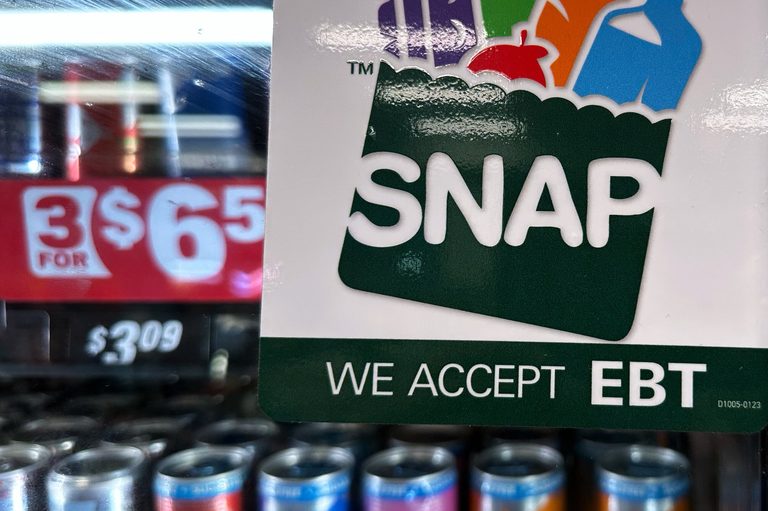
HUNTSVILLE, Ala. – The Trump administration announced a new USDA rule that would change how families qualify for the Supplemental Nutrition Assistance Program (SNAP). Under the proposal, only households that receive cash assistance through the Temporary Assistance for Needy Families (TANF) program would automatically qualify for SNAP, eliminating the current automatic eligibility for families that receive non‑cash or nominal TANF services.
Goal: Focus aid on the truly needy
The administration says the change will make SNAP eligibility more standardized and “preserve benefits for the truly needy.” By tying SNAP to cash‑based TANF assistance, the rule is intended to direct limited resources toward families with the greatest financial hardship.
According to the USDA, the rule could save $44.6 billion between 2027 and 2031. The agency also estimates that 1.8 million children would lose eligibility for free school lunches as a result of losing SNAP benefits.
Impact on Alabama families
Today, a family of four in Alabama earning $4,000 a month can qualify for SNAP simply by receiving TANF, even though the state’s SNAP income threshold for that family size is $3,575. Under the proposed rule, those families would need to be receiving cash assistance to retain automatic SNAP eligibility.
Nearly 18 % of current SNAP recipients—about 6.3 million people nationwide—could lose benefits under the change. While the rule is a federal action, its effects will be felt directly in Alabama communities, where many low‑income families rely on SNAP to supplement meals.
Administration’s defense
President Trump and his team argue that the rule is a responsible fiscal measure that safeguards the program for those who need it most. “We must ensure that taxpayer dollars are used wisely and that assistance reaches the families truly in need,” a White House spokesperson said.
The proposal does not require congressional approval because the USDA operates under executive authority.
Critics and concerns
Advocacy groups such as the Center on Budget and Policy Priorities, a nonprofit research organization, warn that the rule could push vulnerable families deeper into food insecurity. “Cutting SNAP for millions of low‑income households will exacerbate hunger, especially among children,” the group said.
State officials in Alabama have not yet issued an official response, but local social‑service agencies expressed worries that the rule could strain already limited community resources.
What’s next?
The USDA proposal is open for public comment, and stakeholders have until the end of the comment period to submit feedback. If finalized, the rule would take effect before the 2027 fiscal year.
Residents who rely on SNAP are encouraged to stay informed about the rule’s progress and to contact their local representatives if they have concerns about how the changes may affect their families.
Original reporting: WAFF 48 Huntsville (news) — read the source article.