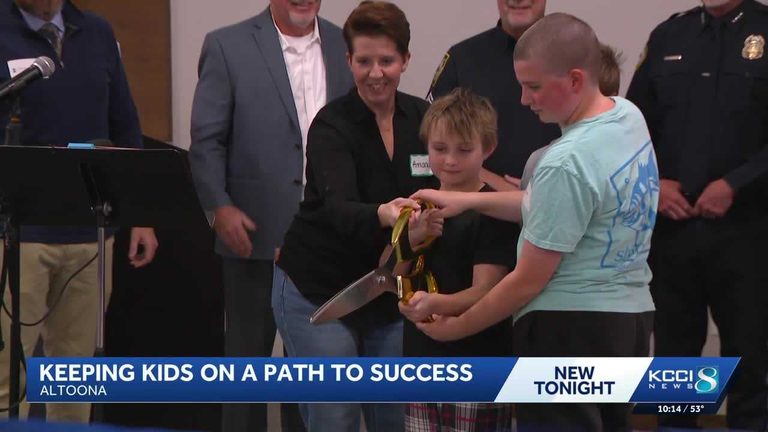
The Southeast Polk Community School District announced a new initiative aimed at keeping local youth out of the juvenile‑justice system. Called the Human Empowerment and Restorative Diversion (HERD) program, it provides mentorship, peer support and individualized growth plans for students in grades five through twelve.
Collaboration across community partners
HERD is a joint effort between Polk County, the City of Altoona and the Southeast Polk school district. By pooling resources from law‑enforcement, educators and community volunteers, the program seeks to address challenges before they turn into legal trouble.
“If we can keep kids out of the juvenile court system, then we’re preventing that kid from becoming an adult that makes bad decisions,” said Sergeant Roger Drown of the Altoona Police Department. His comments underscore the belief that early intervention can break cycles of delinquency.
How students are referred and supported
Students may be referred to HERD by a family member, a school employee or a law‑enforcement official. Once enrolled, participants meet regularly with mentors and peers, share meals, and work on concrete plans for personal growth. The program emphasizes that a difficult day or season does not define a young person’s future.
Amanda Eggers, an administrator for HERD, explained the philosophy behind the effort: “We want students to see that a bad day is just that—a day. It’s a season, not a lifetime. We help them move forward, set goals and build a better future.”
Focus on prevention and redemption
While the primary goal is to prevent offenses before they happen, HERD also offers a pathway for students who have already encountered the justice system. The program reminds participants that they are more than their worst moments and provides tools to help them succeed academically and socially.
Local leaders hope HERD will become a model for other districts seeking to reduce juvenile‑justice referrals while strengthening families and neighborhoods. By investing in mentorship and restorative practices, the community aims to uphold traditional family values and protect the liberty of its youngest members.
Looking ahead
The district plans to track the program’s impact through school‑performance data and feedback from participants. Early indicators suggest that students involved in HERD are more engaged in school and less likely to encounter legal trouble.
Community members are encouraged to volunteer as mentors or support the program through donations. As the initiative gains momentum, officials anticipate a measurable decline in juvenile‑justice referrals across Southeast Polk.
Original reporting: KCCI Des Moines — read the source article.