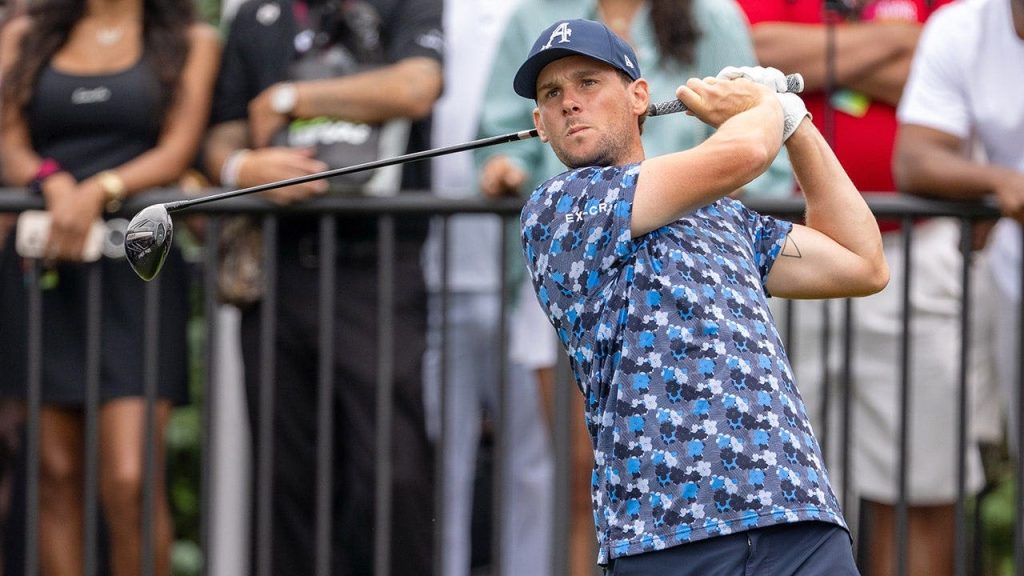
The LIV Golf venture is wrestling with a sudden funding cliff and plenty of questions about where its players will land next; this article walks through the tour’s financial squeeze, the reactions from players, and Thomas Pieters’ blunt refusal to return to the PGA Tour. It highlights payment chatter, schedule perks that lured pros away from the PGA Tour, and the practical choices players face if LIV can’t find new backers. The mood is cautious but candid: some players are ready to adapt, while others, like Pieters, are clear they won’t go back.
Halfway through 2026, LIV finds itself at a real crossroads after the loss of major financial support that once let it poach big names and stage far-flung events. The departure of deep-pocketed funding forced the tour to cancel at least one event and sparked rumors about whether it can survive in its current form. That uncertainty is now driving tough questions about contracts, pay, and the long-term futures of its roster.
Players who left the PGA Tour for guaranteed money and lighter schedules are now staring at the opposite problem: what if the riches dry up and there’s nowhere to return without penalties? Some have suggested the PGA Tour might set up re-entry procedures or sanctions similar to what past defectors have faced. For many golfers, the choice isn’t just financial — it’s about lifestyle and how they want to live while chasing a career that doesn’t last forever.
Thomas Pieters made his stance crystal clear when he spoke with Dan Rappaport on the “Dan on Golf” show about what he plans to do if LIV folds. He did not mince words about his feelings toward the PGA Tour or the life it demands. Right after that interview mention is the video of the conversation below.
“I’m definitely never going back to the PGA Tour. I’ve never liked that life,” Pieters said. “And that’s not me having a go at the PGA Tour, it’s not for me. I tried it and I just wasn’t happy out there. If it (LIV) goes away, I’ll probably try and play some on the European Tour or I don’t know. I really don’t know.
That frankness cuts to a core reason many players walked away in the first place: the tour schedule. LIV’s model offered bigger paydays and more time at home, a contrast to the every-week grind of the PGA Tour that wears on players and families. For guys like Pieters, that balance mattered more than tradition or prestige.
Payment rumors swirled after a recent event, and Pieters addressed them head-on. “We got paid, or we are getting paid.” He acknowledged some administrative timing hiccups, noting first-quarter checks “might have been a week late,” and wryly suggested players don’t obsessively monitor bank alerts: “I’m not sure all these guys check their bank accounts every two seconds.”
Internally, players say they’re not getting secret briefings beyond what appears publicly, which leaves roster members relying on public statements and their own judgment. “Not much. I think whatever comes out officially from LIV is what we’re getting half a day before it goes out,” Pieters said, relaying the inside view of communications. That lack of clarity makes planning hard for professionals who must think contractually and career-wise.
Pieters also admitted he’s been pragmatic about his time on LIV, treating the big paydays as a finite opportunity. He described his mindset this way, calling it “100% accurate” that he’s focused on maximizing current chances and not worrying too much about when this chapter might end. For him, the mix of immediate reward and better life balance outweighs a possible return to the PGA Tour.
What unfolds next will shape golf’s landscape — whether players migrate back under penalties, re-earn playing privileges, or scatter across tours globally. Fans and insiders want clarity and a path forward, but the reality is messy and will be decided by money, personal priorities, and the institutions that run the sport. For now, Pietro’s position is unmistakable: if the PGA Tour is the only option, he won’t be going.