Most cities put their history inside buildings. Columbus has been slowly moving some of it out onto the sidewalk, in the form of a self-guided walking tour system called ROAM Columbus that uses QR-coded signage and a companion app to connect visitors — and plenty of locals who’ve never paid close attention — to the stories embedded in the city’s older blocks.
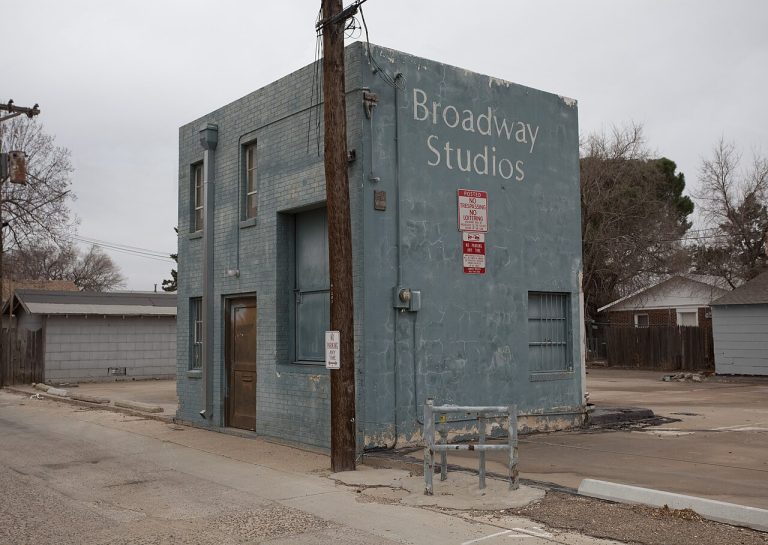
The signs are easy to miss if you’re not looking for them, which is part of the point. They’re placed at or near the actual location where something happened: a mill that burned, a business district that once served a segregated community, a building that changed hands so many times its original purpose is basically archaeological. Scan the code and you get a short audio clip or text account, usually 90 seconds to three minutes. It’s not dramatized or overdone — it reads like a city historian talking, not a theme park narrator.
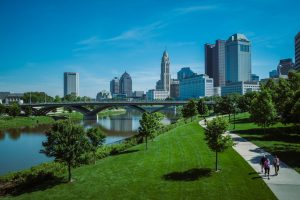
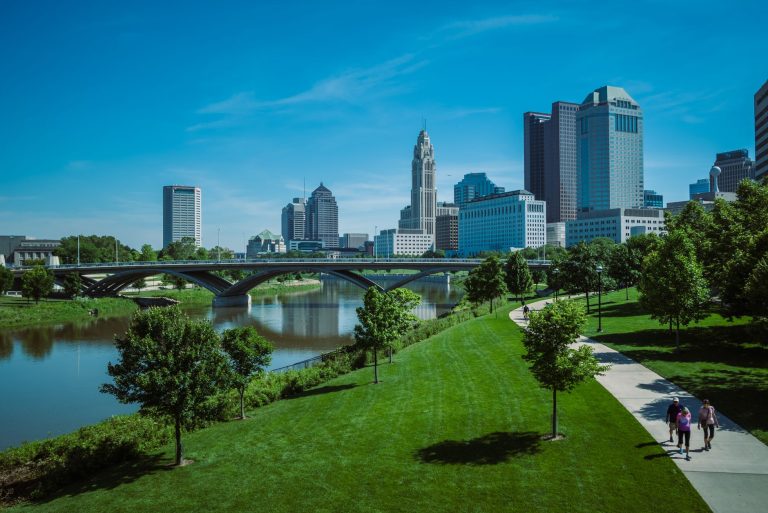
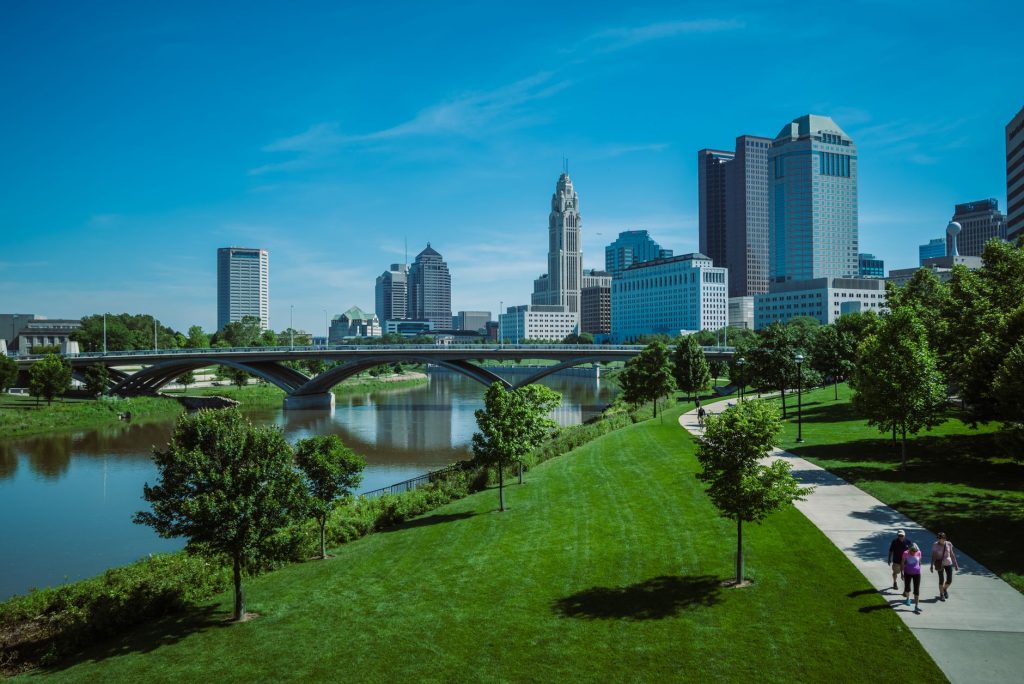
The main route runs through Uptown Columbus and down toward the river, hitting maybe 20 stops depending on which branch you follow. Plan on two hours if you’re actually stopping and reading. The terrain is mostly flat, with a few blocks of uneven brick sidewalk near the older mill buildings along the riverfront. Comfortable shoes matter more than you’d think.
What makes ROAM worth doing is that it surfaces things the standard Columbus tourism pitch skips. There’s real attention paid to the city’s African American commercial history along 2nd Avenue, to labor conditions at the textile mills, and to the particular geography of a river city that developed on both sides of a state line. The Phenix City connection — the Alabama side is visible the whole walk — gets its own chapter, and it’s not flattering to anyone involved in the city’s mid-century reputation.
The tour is free to access through the app, which you can download before you go or pull up on mobile data as you walk. Some of the QR signs have been weather-worn and a couple have been slow to load in direct sun, so downloading offline content if the app allows it is a smart move before you start. The city updates the content periodically; a few stops have been added in the last couple of years covering the textile district’s evolution.
Best time to go is a weekday morning or early Saturday before Uptown gets busy. The route takes you past several coffee spots and a few lunch options, so it’s easy to build a half-day around it. Parking is not complicated — the Broadway Street deck is usually open and cheap on weekends.
ROAM is not a polished, narrated experience in the way some city heritage tours are. But that’s what makes it honest. You’re doing the navigating yourself, the content doesn’t oversell anything, and you end up with a better sense of why Columbus looks the way it does — which is a harder thing to come away with than it sounds.