San Francisco supervisors voted unanimously on Tuesday to legalize the sale of home‑cooked food through the Microenterprise Home Kitchen Operations (MEHKO) program. The measure, championed by District 9 Supervisor Jackie Fielder, is designed to break down barriers for aspiring food entrepreneurs, especially immigrant‑owned businesses and street vendors, and to preserve the city’s rich culinary traditions.
How the program works
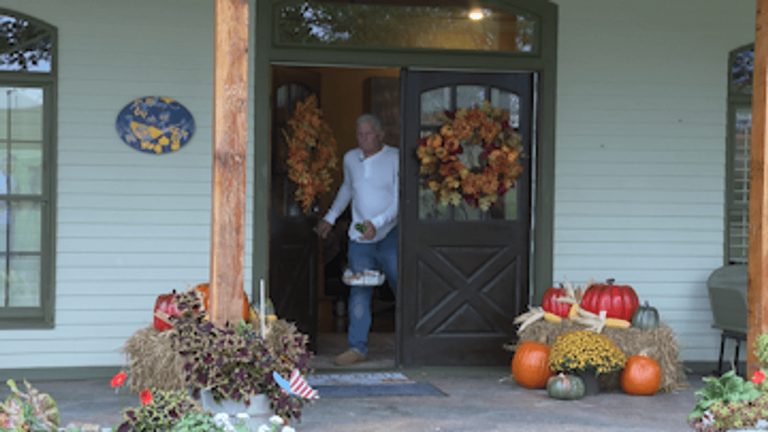
Under MEHKO, residents may prepare food in their own kitchens and sell it either from home or at off‑site locations. Applicants must pass a health inspection by the San Francisco Department of Public Health, pay an $828 permit fee, and renew the permit annually. They also need to complete a food‑safety manager certification exam and provide detailed plans for ingredient sourcing, storage, and equipment sanitation.
Permitted vendors are limited to 90 meals per week and $100,000 in annual sales, with adjustments for inflation. Those using pushcarts or wagons may sell up to 200 meals per week and $200,000 in sales.
Local impact and community response
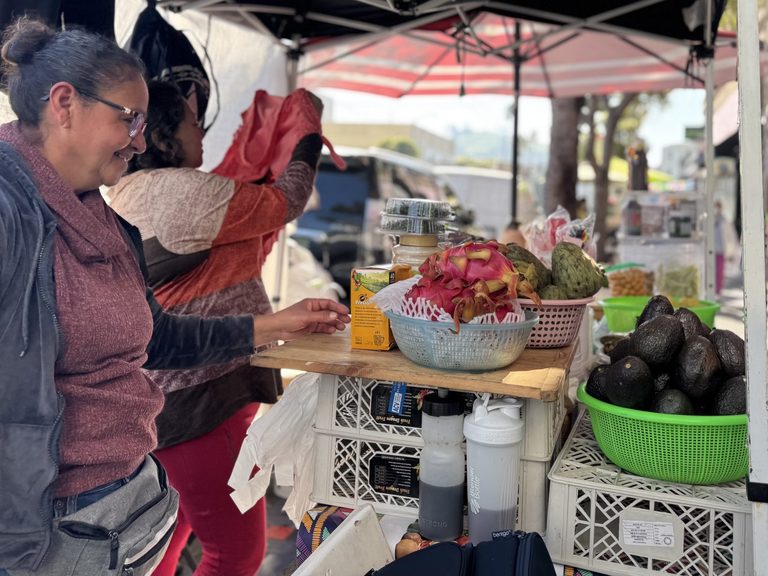
Supporters say the legislation will give working families a new avenue to earn income without the steep costs of traditional commissary kitchens, which can charge around $1,000 per month. “Today’s vote on home kitchen permits is a major step for our community’s beloved street vendors,” said Nuestra Causa, a nonprofit representing the Food Vendors Council of San Francisco. “In a city where working families face rising costs, these permits can help vendors earn more and grow their own businesses.”
A recent budget and legislative analyst report found low complaint volumes in neighboring Bay Area counties that have already adopted MEHKO. The report highlighted that the majority of program beneficiaries are people of color, women, and immigrant communities, and estimated implementation costs at roughly $500,000.
Broader context
The MEHKO model, created by state legislation in 2018, allows municipalities to let residents run a restaurant from their home or use the space as a satellite kitchen, provided they meet food‑safety standards. Nearby counties—including Santa Cruz, Monterey, Santa Clara, Sonoma, Alameda, San Mateo, Contra Costa, and the city of Berkeley—have already embraced the program.
Earlier this year, supervisors approved a proposal that required street vendors to use a certified commissary kitchen and a washing station, a requirement many vendors called prohibitively expensive. The new MEHKO legislation replaces that mandate with a more affordable, flexible option.
Official statements
Mayor Daniel Lurie praised the vote, noting that the program creates a pathway for home‑grown businesses to start, build a customer base, and potentially expand into brick‑and‑mortar establishments that strengthen neighborhoods and commercial corridors.
Supervisor Fielder added that the legislation “expands economic opportunities for immigrant‑owned businesses and street vendors, and preserves the diverse culinary traditions that make San Francisco so special.” The exact timeline for rollout remains under development, according to Sasha Gaona, legislative aide to Supervisor Fielder.
What’s next
With the unanimous vote completed in under two minutes and a positive recommendation from the budget and finance committee, the city will move forward with the permitting process. Prospective vendors can begin preparing applications once the implementation schedule is finalized.
The MEHKO program represents a concrete step toward supporting small entrepreneurs, fostering family‑run enterprises, and reinforcing the city’s commitment to economic liberty and community vitality.
Original reporting: Mission Local — read the source article.