The recent midterm elections have dramatically reshaped state politics, delivering full Democratic control of six key states that together hold 71 Electoral College votes. With those states now under Democratic majorities, the National Popular Vote Interstate Compact (NPVIC) – a pact that would award each member’s Electoral College votes to the candidate who wins the nationwide popular vote – is gaining fresh momentum.
States now in the Democratic column
Arizona, Michigan, Minnesota, Nevada, Pennsylvania and Wisconsin all flipped to Democratic control of their legislatures and, in most cases, their governorships. Minnesota had already joined the compact in 2023 while under Democratic control; the new Democratic majorities in the other five states could bring the compact within striking distance of the 270‑vote threshold needed to guarantee a national‑popular‑vote winner.
Governor statements signal mixed enthusiasm
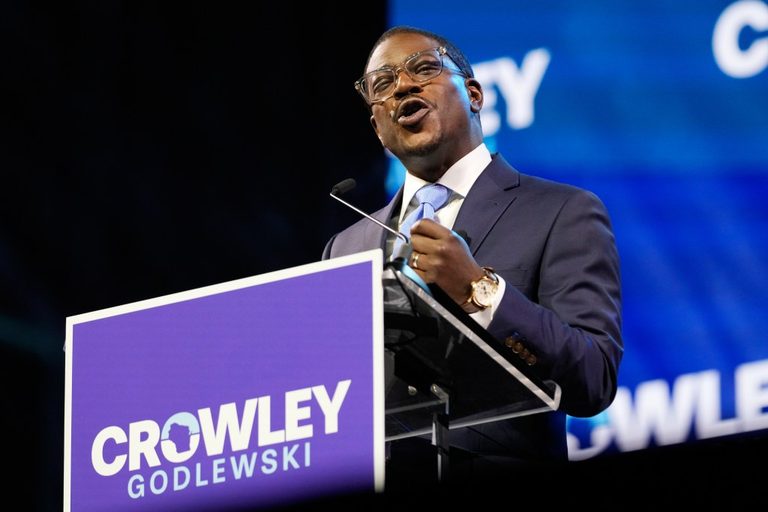
Wisconsin’s new Democratic governor, David Crowley, said he is ready to discuss “doing away with” the Electoral College now that his party controls the state legislature for the first time in 16 years. Pennsylvania Governor Josh Shapiro, a potential 2028 presidential contender, echoed that sentiment, calling the national popular vote “makes sense” and pledging to work with lawmakers on a mechanism to move forward.
Arizona Governor Katie Hobbs declined to comment on whether her state would join, citing other priorities such as the cost‑of‑living crisis. In Michigan, Governor Jocelyn Benson’s office offered no comment. Nevada’s incoming Democratic governor, Aaron Ford, emphasized his focus on lowering costs for working families, leaving the popular‑vote question for later.
Conservative opposition frames the plan as unconstitutional
Republican leaders warn that the compact would undermine the Constitution’s allocation of presidential selection power to the states. Wisconsin Assembly Republican leader Tyler August warned that the plan would “disenfranchise Wisconsin voters by letting results in other states override their choice.” The America First Policy Institute, a pro‑Trump think tank, described the effort as a violation of the Founders’ intent.
Legal scholars also raise concerns. Notre Dame law professor Derek Muller cautioned that the compact could run afoul of the 14th Amendment’s equal‑protection guarantee and that states may lack authority to bind the outcomes of other states’ elections without congressional approval. He noted that the Supreme Court has previously affirmed states’ right to require electors to vote for the candidate they are pledged to, suggesting a potential judicial showdown.
Potential path to the 270‑vote goal
If Pennsylvania and Wisconsin join, the compact would still need Michigan and either Arizona or Nevada to add their votes to reach the required 270. The coming months will see Democratic legislatures in those states convene, and supporters say the national popular vote campaign is preparing legislative sponsors to advance the measure.
What this means for voters
Should the compact succeed, presidential campaigns would shift from targeting a handful of swing states to courting voters in every precinct across the country. Republican strategist Patrick Rosenstiel, who advises the popular‑vote movement, argues that this would force candidates to address “every persuadable voter” rather than focusing on a narrow set of battlegrounds.
For now, the initiative remains a contested political project, with Democratic leaders optimistic and conservative groups poised to challenge any advance in the courts.
Original reporting: The Connecticut Mirror — read the source article.