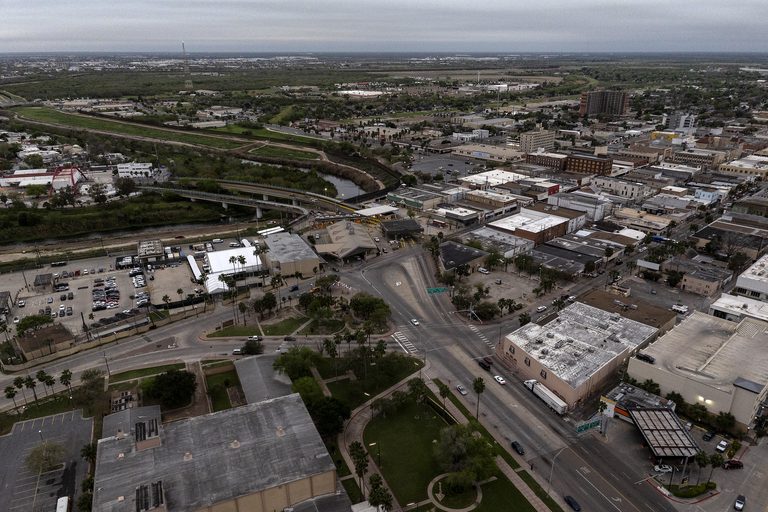
SpaceX announced a $24 billion investment to build a gas‑fired power plant and super‑compute data center on a 444.45‑acre tract just outside Brownsville, Texas. The site, formerly part of the city, was de‑annexed at SpaceX’s request earlier this year, allowing the company to sidestep Brownsville’s newly adopted data‑center moratorium.
Local agreement and financial incentives
The city of Starbase, which later annexed the land into its limits, issued a notice that the project will include a power plant and data center. In exchange for the de‑annexation, SpaceX pledged $220 million to fund water and wastewater infrastructure for Brownsville, a commitment the city says will help meet future growth needs.
Community response
Reactions in the Rio Grande Valley are mixed. The South Texas Environmental Justice Network plans a protest, warning that the facility could increase air pollution, water consumption, and energy costs for residents. Conversely, many locals welcome the development for its job‑creation potential. “There’s a lot of people that need jobs in our community and SpaceX has contributed to those jobs,” said Janie Melendez, a Brownsville school teacher and former Texas Republican Party executive committee member. She added that her home’s value has tripled since SpaceX arrived.
State context
Governor Greg Abbott has directed the electric‑grid operators to pause new data‑center connections pending audits, though SpaceX’s on‑site power plant would allow the facility to operate independently of the state grid. Abbott also asked the Texas Commission on Environmental Quality to halt new data‑center permits, a move that critics say has not been uniformly enforced.
Future outlook
The project is slated for a public hearing in December, where Starbase commissioners will consider tax incentives. Governor‑elect Gina Hinojosa has indicated she would pause all data‑center approvals until the legislature passes protective measures for Texans. If the moratorium had remained in place within Brownsville’s limits, the company would likely have sought an alternate location.
Brownsville officials emphasized that the de‑annexation decision was based on the information available at the time and that the $220 million water‑infrastructure funding will support the city’s long‑term growth. They reaffirmed a commitment to evaluate future development proposals transparently and responsibly.
Original reporting: Texas Tribune (HLL/CB) — read the source article.