The Myrtle Beach City Council voted on Nov. 10 to approve a memorandum of understanding (MOU) with the Greater Myrtle Beach Collaborative that would change the allocation of the city’s Tourism Development Fee (TDF). Under the proposed arrangement, the Collaborative would receive 60 percent of the fee revenue and the city would retain the remaining 40 percent, a reduction from the existing 80/20 split.
Why the change matters for local families
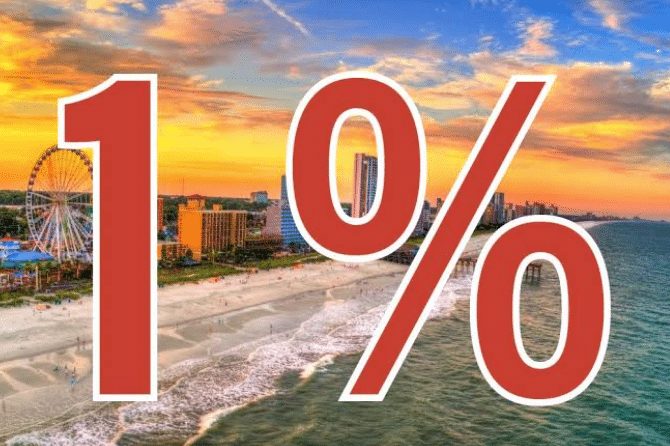
The TDF is a 1 percent local sales tax collected on purchases made within Myrtle Beach city limits, including hotel rooms, and has been in place since August 1, 2009. It is the only municipality in South Carolina that levies such a tax. Revenue from the fee funds a homeowner credit that has fallen from 80 percent in 2017 to 53.4 percent today as costs have outpaced the city’s 20 percent share.
How the new split would be used
According to the city’s press release, the “capital half” of the fee would be earmarked for improvements to existing tourism facilities, new attractions designed to lengthen visitor stays, and other projects that support the local economy. The proposal is framed as a way to boost the Grand Strand’s appeal while preserving a larger portion of the credit for residents.
State law limits the city’s options
The current 80/20 split is written into South Carolina law (Code 4‑10‑970). Only the General Assembly can amend that statute, and the proposed change will not take effect until lawmakers act. The MOU notes that the 2029 expiration of the existing arrangement gives both sides a reason to bring the issue before the 2027 legislative session.
Background on the fee and past debates
Since its inception, the TDF has been a point of contention. Residents never voted on the tax, and a private nonprofit— the Greater Myrtle Beach Collaborative—currently spends 80 percent of the revenue. Critics have argued that the arrangement limits local control, while supporters contend that the collaborative’s expertise helps attract visitors and generate jobs.
What’s next?
The council’s approval of the MOU is a first step. The proposal now moves to state lawmakers, who will consider amending the code during the 2027 session. If the General Assembly approves the change, the new 60/40 split could be implemented before the 2029 expiration, potentially increasing the homeowner credit and directing more funds toward projects that benefit families and businesses in Myrtle Beach.
Local perspective
Community leaders and business owners have expressed cautious optimism. Many see the shift as a chance to retain more of the tax revenue within the city while still leveraging the collaborative’s ability to market Myrtle Beach as a premier destination. The council’s action reflects a desire to balance fiscal responsibility with the goal of sustaining a vibrant tourism economy that supports local families.
For now, the proposal remains a memorandum awaiting state approval. Residents and stakeholders are encouraged to follow the upcoming legislative session for further developments.
Original reporting: MyrtleBeachSC News — read the source article.