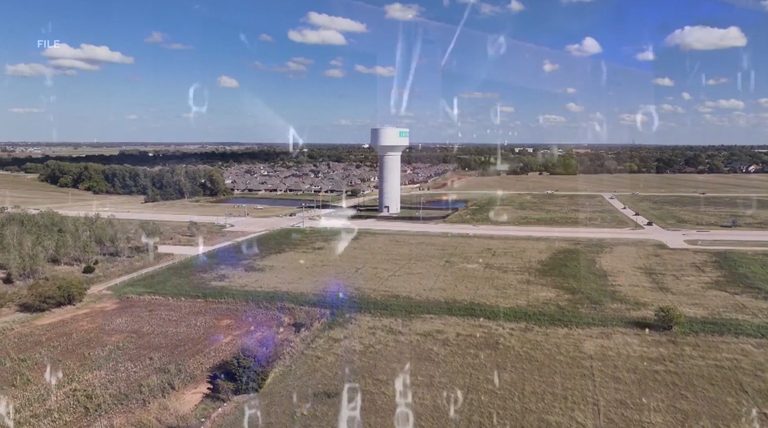
On Tuesday, the Oklahoma City Council approved a resolution extending the city’s existing moratorium on new data‑center developments through Dec. 31, 2027. The extension provides additional time for city staff and elected officials to evaluate how large‑scale data facilities might affect local infrastructure, water resources, and neighborhood quality of life.
Why the pause matters for Oklahoma City families
Data centers—especially hyperscale facilities—require substantial electricity and water. Community members have voiced concerns that such utilities could strain existing services and increase noise levels near residential areas. By lengthening the moratorium, the council is acting in line with the city’s commitment to protect families and preserve the character of neighborhoods.
Rezoning approval for Beltline Energy
At the same meeting, council members voted to rezone a proposed Beltline Energy project located within the city limits. The company describes the site as a hyperscale data center that will need significant power. Beltline Energy also plans a second facility on adjacent land in Yukon, a neighboring municipality.
The Oklahoma City portion of the project is expected to generate roughly $17 million in sales tax and franchise fees, all of which would remain in the city’s coffers. However, the rezoning request was submitted before the original moratorium took effect, prompting the council to separate the zoning decision from the broader policy pause.
Conditions and community safeguards
The council’s approval includes specific restrictions aimed at protecting residents. Water usage for the Beltline Energy site is capped at 75,000 gallons, and noise levels must remain consistent with those acceptable in a residential setting. These conditions reflect a balanced approach: encouraging economic development while safeguarding community well‑being.
Before any construction can begin, Beltline Energy and the city must finalize a community‑benefits agreement. This agreement will outline how the developer will address local concerns, contribute to public services, and ensure that the project aligns with the city’s long‑term planning goals.
Neighboring concerns from Yukon
Residents of nearby Yukon have expressed apprehension about the potential spillover effects of the data center. “It’s the same thing. We’re really concerned about the effects, especially on the people just across the fence,” said Yukon resident Joe Horn. Their concerns underscore the importance of a coordinated regional dialogue on data‑center development.
What’s next for the moratorium?
The extended pause does not halt all data‑center activity; it simply delays new approvals until the city completes its impact study. Officials plan to release findings and recommendations before the moratorium expires at the end of 2027. This timeline gives Oklahoma City the opportunity to craft policies that support responsible growth while protecting the interests of families, businesses, and the broader community.
Mayor David Holt, who has advocated for a thorough review of data‑center impacts, praised the council’s decision as a prudent step toward informed decision‑making. “We want to ensure any new development serves the people of Oklahoma City and does not compromise our resources,” Holt said.
Community response
Local business owners and civic groups have largely welcomed the extension, noting that a measured approach can attract high‑tech investment without sacrificing quality of life. The council’s action demonstrates a commitment to transparent governance and responsible stewardship of public resources.
Original reporting: Oklahoma City News Feed (HLL/CB) — read the source article.