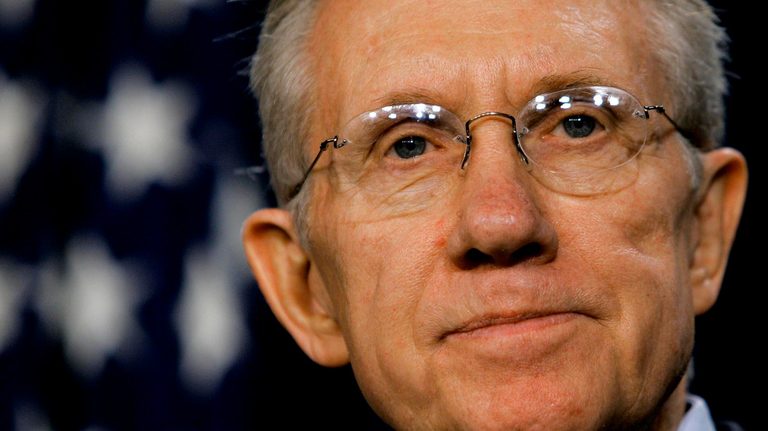
Reno, Nev. – The University of Nevada, Reno (UNR) announced that the first set of the late Senator Harry Reid’s personal papers is now open for public research. The collection, which began arriving in 2017, includes hundreds of thousands of documents, photographs and artifacts that span Reid’s 46‑year career in Nevada politics and the U.S. Senate.
What the collection contains
UNR’s Special Collections staff, led by archivist Ian McGlory, has catalogued more than 1,000 boxes of material. Among the items are campaign correspondence, legislative drafts, speeches, and personal photographs that illustrate Reid’s rise from a Nevada assemblyman to Democratic majority leader in the Senate. The university says the physical portion of the collection will remain on‑site for the next decade, while a digital archive is slated for release in 2036.
How to access the papers
The Harry Reid Papers are housed on the third floor of the Mathewson‑IGT Knowledge Center. Drop‑in visits are permitted Monday through Thursday; Fridays are reserved for advanced appointments for researchers who need extended time. An online guide to the collection is available at library.unr.edu, providing a detailed inventory of the holdings.
Why the release matters locally
For Nevadans, the papers offer a valuable resource for understanding the state’s modern political development. Reid, born in Searchlight in 1939, served as a state assemblyman, gaming commissioner and U.S. Senator, shaping policies that affected everything from water rights to gaming regulation. By making his records accessible, UNR supports the community’s right to study its own history and encourages informed civic engagement.
Community and scholarly response
University officials highlighted the importance of preserving primary sources for future generations. “Our mission is to safeguard Nevada’s heritage and provide scholars, students and citizens with the tools to learn from it,” said a UNR spokesperson. Local historians and educators have expressed enthusiasm, noting that the collection will enrich classroom curricula and public programs.
Looking ahead
While the physical archive opens now, the university plans a phased digital release beginning in 2036, ensuring broader access for those unable to travel to Reno. The initiative reflects a broader trend among academic institutions to make historical records more widely available, reinforcing the value of transparency and education in a free society.
Harry Reid passed away from pancreatic cancer in 2021 at his Henderson home. His decision in 2016 to donate his papers to UNR ensures that his public service legacy will remain a living part of Nevada’s story.
Original reporting: News 3 KSNV Las Vegas (local) — read the source article.