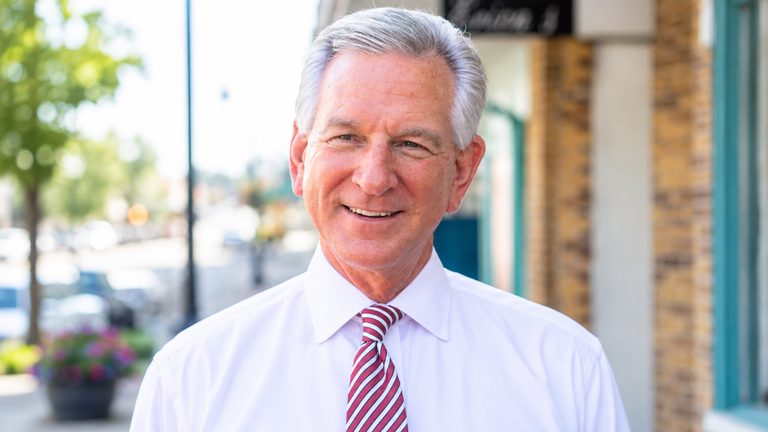
At the recent victory celebration for Alabama governor‑elect Tommy Tuberville at The Hotel at Auburn University, several state reporters were kept in a conference room for four hours, denied access to the main festivities and limited to a brief two‑minute video clip from a hallway. The reporters, who covered Tuberville’s campaign, were only admitted to hear the candidate’s victory speech.
Press restrictions raise concerns about future openness
The media advisory issued before the event outlined the limited access, but critics argue the plan was unnecessarily restrictive and hindered the press from gathering a full story about the people who helped Tuberville win. “A valid story focusing on key supporters was lost,” one commentator wrote, noting that the campaign could have allowed journalists to mingle freely.
While the Tuberville campaign points to a record of accessibility—citing more than 200 weekly press calls over the past six years and recent invitations to campaign events—reporters say the victory party illustrates a disconnect between rhetoric and practice. Communications director Hannah Eddins told attendees that Tuberville is “the most accessible senator you guys have dealt with,” and posted on X that he will remain “incredibly accessible” as governor.
Journalists call for consistent access
AL.com columnist Kyle Whitmire, who covered the campaign, expressed frustration, saying he has come to expect “no comment” to his inquiries. He warned that a pattern of limited responsiveness could backfire: “One day something will happen and you will need the benefit of the doubt of all those folks in that media room, and now they (the administration) will be much less likely to get that. It’s a self‑defeating approach.”
Open communication with the press is not merely a matter of courtesy; it is often a legal obligation for government officials. Ignoring the media can equate to ignoring the public they serve, a point underscored by the commentary’s author, Tom Arenberg, a veteran journalist and university instructor.
Comparisons and broader context
The article notes a recent example from New Jersey, where a congressman barred media from his watch party after an electoral loss, highlighting a growing trend of candidates limiting press access when it suits them.
Despite the frustrations, several reporters affirmed their commitment to fair and objective coverage of the Tuberville administration, even as they seek greater transparency moving forward.
What comes next for the incoming governor?
As Tuberville prepares to assume the governor’s office in January, the press corps will be watching closely to see whether the promised openness translates into daily governance. The administration’s handling of media relations could set the tone for how it engages with citizens on issues ranging from education to economic development.
Stakeholders across Alabama—parents, business owners, faith communities, and everyday citizens—are encouraged to stay informed and hold the new governor accountable for delivering on his accessibility pledge.
Original reporting: BirminghamWatch — read the source article.