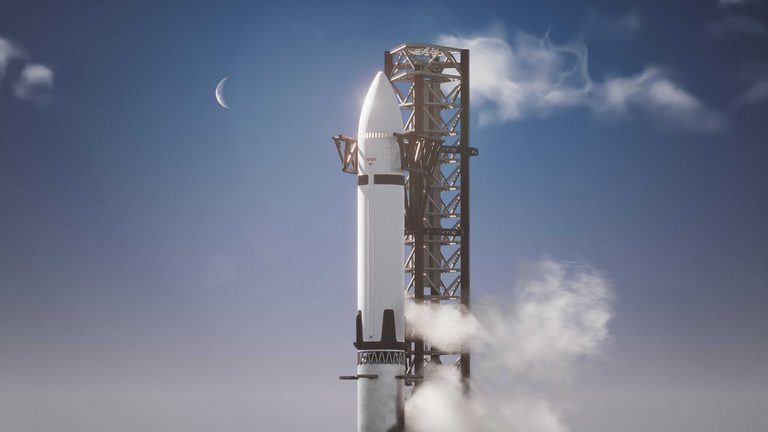
SpaceX announced that its 15th test flight of the Starship launch system is slated for Friday, Nov. 13, with liftoff expected from the company’s Starbase facility near Boca Chica, Texas. A 75‑minute launch window opens at 5:45 p.m. Eastern time, and the event will be streamed live by WESH 2.
Goal: full recovery of both stages
The upcoming mission is designed to be the first to return both the Starship spacecraft and its Super Heavy booster to the launch site for catch. SpaceX described the attempt as a “breakthrough moment” on its website, noting that successful recovery of both stages would mark a major step toward making the entire launch system fully reusable.
Payload and mission profile
In addition to the recovery objectives, the flight will carry 26 Starlink V3 satellites destined for orbit, expanding the broadband constellation’s capacity and user speeds. The payload will be released after the vehicle reaches its intended altitude, after which the booster and upper stage will perform a series of controlled maneuvers to guide them back toward the landing zone.
Regulatory status and infrastructure
SpaceX is still awaiting final regulatory approval for the launch, though the company has indicated confidence that the necessary clearances will be granted in time. Meanwhile, construction continues at Kennedy Space Center in Florida to accommodate the massive Starship vehicle. The agency’s Gigabay complex is being built to support future Artemis missions and eventual operations from the East Coast.
Industry perspective
NASA Administrator Jared Isaacman praised the ongoing work, saying, “What has me excited about space exploration is that we’re pursuing the secrets of the universe. I can’t imagine a more exciting endeavor.” He added that the focus on reusability by both SpaceX and competitor Blue Origin is expected to lower the cost of space travel, a key factor for sustaining regular lunar and Martian missions.
Challenges and past performance
SpaceX acknowledges that several prior Starship test flights have ended in anomalies or explosions. The company frames these outcomes as a normal part of the development process, emphasizing that each test provides valuable data to improve launch reliability, heat‑shield performance, and booster recovery techniques.
What’s next for Starship?
Successful completion of Flight 15 would bring the program closer to its long‑term goals of routine lunar landings and eventual crewed missions to Mars. Engineers remain focused on refining the vehicle’s systems, and the company plans to transition more test operations to Kennedy Space Center once the Texas site has demonstrated consistent performance.
For residents of Texas and the broader space‑enthusiast community, the launch represents another step in the region’s growing role as a hub for commercial space activity. The event also underscores the partnership between private industry and federal agencies in advancing America’s presence beyond Earth.
Original reporting: WESH Orlando — read the source article.