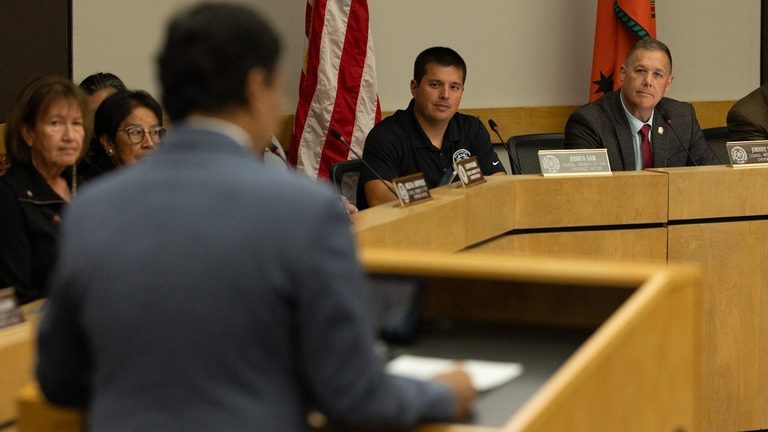
The Cherokee Nation Council met in Tahlequah on November 10 and voted unanimously to adopt a resolution that backs Chief Chuck Hoskin’s position on the proposed Inola aluminum smelter. The resolution urges both public agencies and private developers to engage every tribal nation that could be impacted by the project.
Resolution calls for fact‑based, science‑driven review
Chief Hoskin, who first voiced his concerns in August, said the Cherokee Nation wants a thorough, fact‑based analysis of the smelter’s environmental and community effects. “Public policy analysis of the proposed smelter’s impact to the environment and neighboring tribal communities should be driven by facts, science and stakeholder engagement,” he stated. The council’s resolution echoes that language, urging that any impact assessment be rooted in reliable data and that tribal voices be included from the outset.
Legal backdrop
Hours after the council’s vote, Oklahoma Attorney General Gentner Drummond filed a discovery motion in Rogers County seeking additional information about the companies behind the smelter, including ownership details and funding sources. The motion underscores the state’s interest in ensuring transparency and compliance with applicable regulations.
Why tribal consultation matters
The proposed smelter would sit near the Cherokee Nation reservation, raising concerns about water quality, air emissions, and potential effects on cultural sites. Tribal leaders argue that early consultation can help identify mitigation measures, protect sacred lands, and avoid costly litigation later. The resolution specifically calls on developers and regulators to “consult with Cherokee Nation on the potential impact of the Inola smelter on our reservation.”
Broader community response
Local residents and environmental groups have also expressed apprehension, citing the need for a comprehensive environmental impact study. While the resolution does not block the project, it signals a firm expectation that tribal sovereignty be respected throughout the permitting process.
Next steps
The Cherokee Nation will continue to monitor the project’s progress and work with state officials to ensure that any permitting or licensing decisions incorporate tribal input. The council’s unanimous vote reflects a unified stance among Cherokee leaders that tribal consultation is not optional but a legal and moral requirement.
For the full text of Chief Hoskin’s August statement, readers can visit the Cherokee Nation’s official website.
Original reporting: KTUL 8 (Sinclair) – local — read the source article.