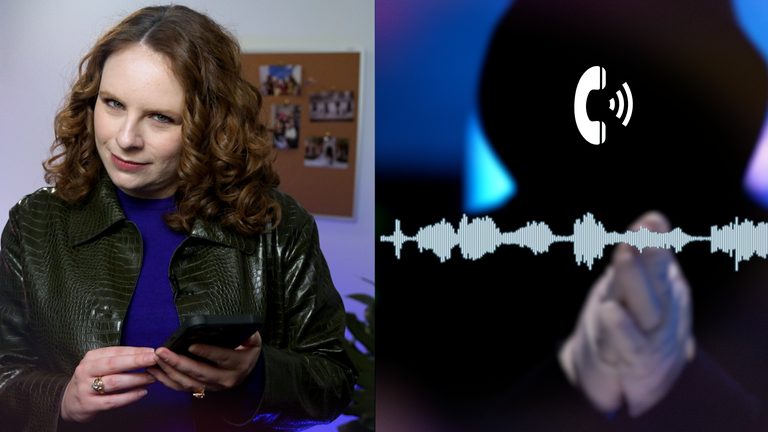
Venmo is issuing a nationwide warning after fraudsters began using automated voicemail calls to try to steal account passwords. The call, which claims to be triggered by an “attempt to change the password on your Venmo account,” instructs recipients to press a key if they did not initiate the request.
How the scam works
The scheme, known as “vishing” (voice phishing), relies on a recorded message that appears to come from Venmo. Callers hope the victim will press the prompted button, inadvertently confirming the request and giving the scammers a foothold to reset the password.
Venmo has confirmed that the message is fraudulent and emphasized that the company will never request passwords, verification codes, or any financial information via email, text, or phone call.
What to do if you receive the call
Customers should not engage with the voicemail, should not press any numbers, and should block the caller’s number. If you suspect your account has been compromised, report the incident to Venmo’s customer service immediately.
Venmo’s User Agreement states that unauthorized transactions caused by a stolen password are covered in full, provided the user follows the company’s reporting procedures. However, the agreement also notes that protection may be lost if the user waits more than 60 days to report the unauthorized activity.
Venmo’s response to the inquiry
When asked whether a victim of this specific vishing scam would be reimbursed for any unauthorized transfers, Venmo did not give a direct yes or no. The company said each case is reviewed individually and encouraged anyone who believes they have been targeted to contact customer support for assistance.
Reporting the scam
In addition to contacting Venmo, consumers can file a complaint with the Federal Trade Commission at ReportFraud.ftc.gov. The National Consumer Unit, which originally obtained the sample voicemail, continues to monitor and publicize such scams to help protect the public.
Staying vigilant and following Venmo’s guidance can help prevent fraudsters from gaining access to personal funds. Remember, legitimate companies will never ask for sensitive information through unsolicited phone calls.
Original reporting: 40/29 / KHBS (NW Arkansas) — read the source article.