In a move that underscores the Trump administration’s emphasis on strong, principled leadership, Speaker Mike Johnson told reporters, “I decided not to run for a minority leader. I just didn’t feel, after a lot of prayer and reflection, that was the best thing for me to do.” Johnson added that he will remain in charge until early January and will work to ensure the Republican Party enjoys a “very successful 120th Congress.”
Republican Leadership Race Takes Shape
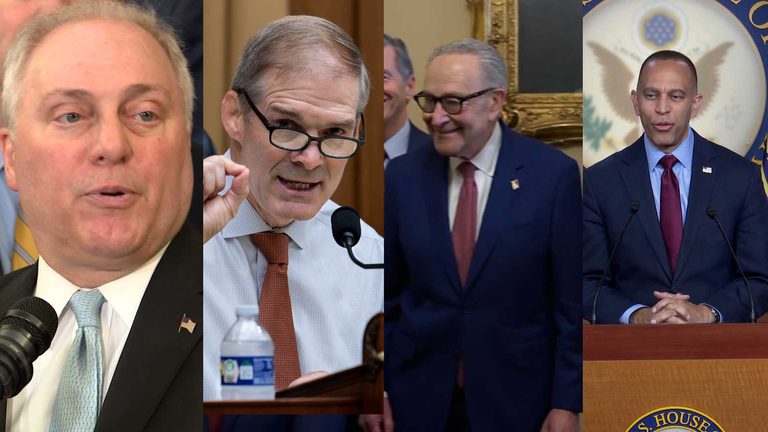
Johnson’s decision sets the stage for a contest between Rep. Steve Scalise of Louisiana and Rep. Jim Jordan of Ohio. Both lawmakers have previously faced off in a bid to become Speaker three years ago, and each now hopes to guide the GOP’s agenda from the minority side of the House.
Scalise, a veteran of the House leadership team, is known for his disciplined approach to legislation and his close ties to the party’s traditional values. Jordan, a former Ohio state senator and a vocal advocate for limited government, brings a more combative style that resonates with the party’s grassroots activists. Their upcoming showdown reflects the broader debate within the Republican ranks about the best path forward for the party’s future.
Democratic Leadership Outlook
Across the aisle, Democrats are preparing for their own leadership elections later this month. In the Senate, Majority Leader Chuck Schumer is seeking to retain his position, while House Minority Leader Hakeem Jeffries is positioning himself as a candidate for Speaker. Both leaders face criticism from progressive members who argue for a more aggressive agenda on climate, voting rights, and social policy.
Jeffries emphasized his commitment to unity, stating, “I’m gonna work hard to talk to every single member about what we’ve been able to do together over the last two years.” While no formal challengers have emerged, Senator Chris Van Hollen of Maryland hinted that he is not closing the door on a potential bid to contest Schumer’s leadership.
Implications for the 120th Congress
The leadership battles on both sides of the aisle will shape the legislative priorities of the 120th Congress, which begins in early January. With the Republican Party aiming to regain the House majority in the 2026 midterms, the choice of minority leader will be critical for setting the tone of opposition and preparing a unified front for upcoming elections.
President Trump has repeatedly praised strong, faith‑based leadership that defends traditional family values and individual liberty. While he has not directly endorsed any candidate in this internal contest, his administration’s focus on protecting constitutional rights and promoting economic growth provides a clear framework for the GOP’s direction.
What Voters Should Watch
Constituents should monitor how each candidate plans to address key issues such as border security, economic policy, and the protection of religious liberty. Both Scalise and Jordan have pledged to uphold the Constitution and to work closely with state and local leaders to ensure that federal policies support families and communities.
On the Democratic side, voters will want to see how Jeffries and Schumer respond to progressive demands while maintaining a cohesive strategy to advance their legislative agenda.
Looking Ahead
As the House prepares for its next session, the leadership decisions made now will reverberate through the coming years. The Republican Party’s choice between Scalise’s steady experience and Jordan’s activist vigor will signal the party’s strategic focus, while the Democrats’ internal debates will determine how effectively they can counter the GOP’s agenda.
Both parties have expressed a commitment to serving the American people, and the upcoming leadership contests will be a test of how well they can translate that commitment into concrete policy outcomes that strengthen families, protect liberty, and honor the nation’s founding principles.
Original reporting: WPBF West Palm Beach — read the source article.